
Unlock Value: Short Sale Homes California Explained
Navigate the California short sale market with expert insights to find exceptional real estate opportunities and significant savings.
Find Your DealKey Takeaways
- ✓ Short sales are often priced below market value.
- ✓ The process involves multiple parties and can be lengthy.
- ✓ Lender approval is crucial for a short sale to close.
- ✓ Buyers often need patience and a flexible timeline.
How It Works
The homeowner faces financial hardship and cannot make mortgage payments, owing more than the home's current value. They apply for a short sale, requesting their lender to accept less than the full mortgage amount owed.
Once the lender agrees to consider a short sale, the home is listed on the market, usually by an agent specializing in distressed properties. Interested buyers submit offers, often contingent on lender approval.
The lender reviews the buyer's offer, along with the seller's financial hardship documentation. This stage involves extensive negotiation between the buyer's agent, the seller's agent, and the lender's loss mitigation department.
Upon lender approval of the short sale, a specific closing date is set, and the transaction proceeds like a traditional sale. Buyers should be prepared for potential delays and specific lender-imposed conditions.
Understanding the Appeal of Short Sale Homes California
 Photo: Trac Vu / Pexels
Navigating the Short Sale Process: A Buyer's Guide
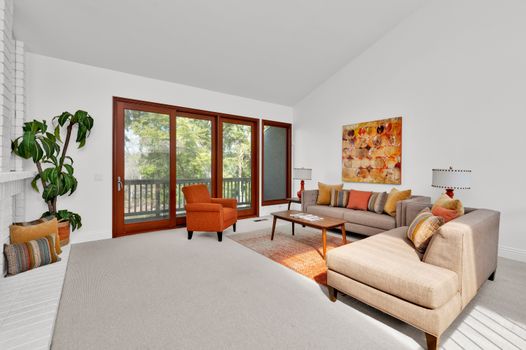 Photo: Terry Magallanes / Pexels
Legal and Financial Considerations for California Short Sales
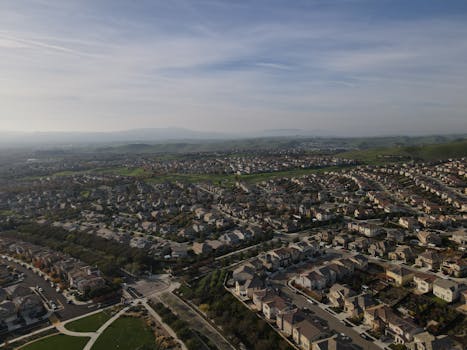 Photo: Deane Bayas / Pexels
Tips for Success and Common Mistakes to Avoid When Buying Short Sale Homes California
 Photo: RDNE Stock project / Pexels
Comparison
| Feature | Short Sale | Foreclosure | Traditional Sale |
|---|---|---|---|
| Seller Status | Homeowner (distressed) | Bank/Lender | Homeowner (not distressed) |
| Property Condition | Often better maintained | Varies, often neglected | Typically well-maintained |
| Price Potential | Below market value | Significant discount | Market value |
| Process Complexity | High (lender approval) | Moderate (auction/REO) | Low (direct negotiation) |
| Closing Timeline | Long (3-6+ months) | Medium (30-90 days) | Short (30-45 days) |
| Deficiency Judgment | ✓ (CA protects sellers) | ✗ (lender owns) | ✗ (debt paid) |
| "As-Is" Sale | ✓ | ✓ | ✗ (negotiable repairs) |
| Competition | Moderate | High | High |
What Readers Say
"We found our dream home in San Jose through a short sale. The process was long, about 5 months, but our agent was fantastic and the savings were absolutely worth it for a short sale home in California."
Sarah J. · San Jose, CA"Investing in short sale homes in California proved to be a smart move. I got a great property below market value and the appreciation has been excellent. Just be prepared for the paperwork!"
David M. · Los Angeles, CA"Thanks to our patient real estate agent, we closed on a short sale home in San Diego that saved us nearly $70,000 compared to similar properties. It required a lot of waiting, but the financial benefit was huge."
Emily R. · San Diego, CA"The short sale process for our Sacramento home was challenging, with several delays from the bank. However, the final price was good, and we ended up with a solid home after some minor renovations."
Michael P. · Sacramento, CA"As a first-time homebuyer, I was intimidated by short sale homes in California, but my agent explained everything thoroughly. We closed successfully, and I'm now a proud homeowner in Oakland thanks to a great deal."
Jessica L. · Oakland, CAFrequently Asked Questions
What exactly defines short sale homes California?
A short sale in California occurs when a homeowner sells their property for less than the amount they owe on their mortgage, and the lender agrees to accept the reduced payoff. This is typically pursued by homeowners facing financial hardship who want to avoid foreclosure, with the lender's approval being the critical component.
Are short sale homes in California good deals?
Short sale homes can represent excellent value, often priced below current market value due to the seller's distressed situation and the lender's goal to mitigate losses. However, the 'deal' aspect depends on the specific property's condition, the extent of the discount, and the buyer's willingness to navigate a potentially longer and more complex transaction.
How long does it take to close on a short sale in California?
The closing timeline for short sale homes in California is significantly longer than traditional sales, typically ranging from 3 to 6 months, and sometimes even longer. This extended period is primarily due to the multiple layers of lender review and approval required, which can be unpredictable.
What are the typical costs associated with buying a short sale?
Beyond the purchase price, buyers of short sale homes in California should anticipate costs for inspections, potential repairs (as properties are usually sold 'as-is'), closing costs, and potentially extended loan lock fees if the process drags on. Budgeting for unexpected expenses is highly recommended.
How do short sales compare to foreclosures in California?
Short sales involve the homeowner selling the property with lender consent, often resulting in better-maintained homes and a more cooperative seller. Foreclosures involve the bank taking ownership and selling the property, which can be quicker but may result in properties in worse condition and less negotiation flexibility. California laws also offer more protection to sellers in short sales regarding deficiency judgments.
Who should consider buying short sale homes California?
Buyers with patience, a flexible timeline, and a strong real estate team (especially an agent experienced in short sales) are ideal candidates. Investors looking for value-add opportunities or homeowners seeking a discounted property in a desirable California location can benefit significantly.
What are the risks involved in buying short sale homes in California?
Key risks include extended closing times, properties being sold 'as-is' with potential hidden defects, the possibility of the deal falling through if the lender doesn't approve the terms, and complexities with junior liens. Thorough due diligence and a robust contract are essential to mitigate these risks.
Will short sales become more common in the California market?
The prevalence of short sale homes in California is largely tied to economic conditions, interest rates, and housing market stability. While not as common as during previous housing crises, they remain a segment of the market that can fluctuate with economic shifts. Staying informed about market trends is advisable for potential buyers.
Ready to explore the potential of short sale homes California? Connect with an experienced real estate agent today to uncover unique opportunities and navigate the process with confidence. Your dream California property might be closer and more affordable than you think.