Unpacking San Francisco Real Estate Prices: Your 2024 Guide
san francisco real estate prices

Unpacking San Francisco Real Estate Prices: Your 2024 Guide

Unlock the secrets to understanding San Francisco's dynamic property market and make informed decisions.

Explore SF Real Estate

Key Takeaways

  • ✓ San Francisco consistently ranks among the most expensive housing markets globally.
  • ✓ Median home prices in SF can fluctuate significantly based on neighborhood and property type.
  • ✓ Limited housing supply is a primary driver of high real estate values.
  • ✓ Interest rates, tech industry performance, and migration patterns heavily influence prices.

How It Works

1
Understand Market Dynamics

Research current trends, historical data, and expert forecasts to grasp the broader San Francisco real estate landscape. This foundational understanding is crucial for any buyer or seller.

2
Assess Neighborhood Nuances

San Francisco is a city of distinct neighborhoods, each with its unique price points, amenities, and market characteristics. Delve into specific areas that align with your lifestyle and budget.

3
Secure Pre-Approval & Financing

Before seriously looking, obtain pre-approval for a mortgage to understand your borrowing capacity and strengthen your offer. This signals to sellers that you are a serious and qualified buyer.

4
Engage an Expert Agent

Work with a local real estate agent who specializes in San Francisco and has a deep understanding of its micro-markets. Their expertise is invaluable for navigating competitive bidding and complex transactions.

The Intricacies of San Francisco Housing Market Trends

Aerial view of megapolis with residential district located near modern skyscrapers and suspension bridge at night Photo: Griffin Wooldridge / Pexels
San Francisco real estate prices are a topic of perpetual fascination and, for many, frustration. The city by the bay has long held the reputation as one of the most expensive places to live, and for good reason. Understanding the intricacies of its housing market requires looking beyond a single median price point and delving into the multifaceted factors that drive these astronomical figures. At its core, San Francisco's market is defined by an acute imbalance between supply and demand. Geographically constrained by water on three sides and stringent zoning regulations, the city simply cannot build enough housing to keep pace with the influx of high-earning professionals, particularly from the tech sector. This fundamental scarcity creates intense competition, driving up values across all property types. Several key trends shape the current landscape. We've seen periods of unprecedented growth, followed by more measured corrections, often influenced by the broader economic climate and, specifically, the health of the technology industry. When tech companies are booming, job growth accelerates, drawing more talent to the city and increasing demand for housing. Conversely, economic downturns or significant tech layoffs can lead to a softening of the market, though rarely a dramatic collapse, as the underlying scarcity persists. The COVID-19 pandemic, for instance, initially saw a slight exodus as remote work became prevalent, leading to a temporary dip in rental prices and a more stable, though still high, sales market. However, as companies called employees back to offices, demand surged once again, pushing prices back towards pre-pandemic levels or even higher in many areas. Interest rates also play a crucial role. When rates are low, borrowing becomes cheaper, increasing purchasing power and often stimulating demand. Higher interest rates, as seen in recent years, can cool the market by making mortgages more expensive, thereby reducing the pool of eligible buyers or limiting what they can afford. However, in San Francisco, the impact is often mitigated by the presence of all-cash buyers or those with substantial down payments, who are less sensitive to interest rate fluctuations. Furthermore, the city's status as a global innovation hub means it attracts significant international investment, further insulating it from some of the domestic market pressures seen elsewhere. Analyzing these trends requires a granular approach, often looking at specific neighborhoods, property types (condos, single-family homes, TICs), and even price segments, as each can behave differently within the broader market. For a deeper dive into the broader market conditions, explore our guide on understanding California real estate trends. Another significant factor is the regulatory environment. San Francisco has some of the most complex and restrictive building codes and permitting processes in the nation. These regulations, while often intended to preserve the city's character or ensure safety, inadvertently restrict new construction and increase development costs, which are then passed on to buyers. This creates a high barrier to entry for developers, further exacerbating the supply shortage. The political landscape and public sentiment towards development also contribute to this challenge. Activism against high-density housing projects, while understandable from a quality-of-life perspective for existing residents, ultimately contributes to the upward pressure on prices by limiting the availability of new homes. The interplay of these forces makes San Francisco's real estate market not just expensive, but uniquely complex and dynamic.

Neighborhood-Specific San Francisco Real Estate Prices and Affordability
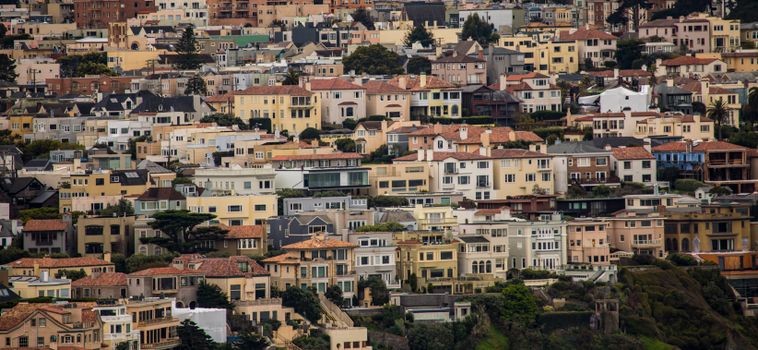
Colorful residential neighborhood in San Francisco with diverse architecture and dense housing. Photo: Stephen Leonardi / Pexels
When discussing San Francisco real estate prices, it's a critical mistake to treat the city as a monolithic entity. San Francisco is a mosaic of distinct neighborhoods, each with its own character, amenities, and, most importantly, vastly different price points. What might be considered 'affordable' in one part of the city could be an astronomical sum in another. For instance, areas like Pacific Heights, Presidio Heights, and Seacliff are synonymous with luxury, boasting sprawling homes, often with bay views, and commanding multi-million dollar price tags that regularly exceed $5 million, sometimes even $10 million or more. These neighborhoods attract high-net-worth individuals and families seeking prestige and prime locations. Conversely, neighborhoods like the Outer Sunset, Outer Richmond, and parts of the Excelsior can offer relatively more accessible price points, though still significantly higher than national averages. Here, you might find single-family homes or condos in the $1 million to $1.8 million range. While these figures are still substantial, they represent a different tier of the market, often attracting first-time buyers who are willing to trade a longer commute or fewer immediate amenities for a foothold in the city. The mission-driven tech boom has also significantly impacted areas like the Mission District, Potrero Hill, and Noe Valley, which have seen rapid appreciation due to their proximity to tech campuses and vibrant cultural scenes. These areas often feature a mix of Victorian homes, modern condos, and renovated flats, with prices typically ranging from $1.5 million to $3 million-plus, depending on size and condition. Affordability in San Francisco is a relative term. For many, even the 'cheaper' neighborhoods are out of reach without substantial income or down payments. The median household income required to comfortably afford a median-priced home in San Francisco is often cited as being well over $300,000 per year, a figure that highlights the stark reality of the market. This has led to a significant 'brain drain' for certain professions, as essential workers, artists, and educators often find it impossible to live in the city where they work. Alternative housing solutions, such as co-ownership, tenant-in-common (TIC) agreements, or even moving to surrounding Bay Area cities and commuting, have become common strategies for those determined to stay near the urban core. Understanding these neighborhood nuances is paramount for anyone entering the San Francisco market. A buyer must not only consider their budget but also their lifestyle preferences, commute times, and desired community. Is proximity to parks more important than nightlife? Is a family-friendly environment a priority over a bustling urban core? These questions will significantly narrow down the viable neighborhoods and, by extension, the realistic price ranges. Researching recent comparable sales (comps) within specific blocks or sub-neighborhoods provides the most accurate picture of current market value, far more so than broad city-wide averages. This granular approach is essential for making an informed decision in such a diverse and high-stakes market.

Investment Perspectives: Navigating San Francisco Home Values

Colorful residential neighborhood in San Francisco with diverse architecture and dense housing. Photo: Stephen Leonardi / Pexels
Investing in San Francisco real estate, despite its high entry barrier, has historically been a sound long-term strategy for many. The enduring appeal of the city, its robust job market, and its limited supply continue to underpin strong San Francisco home values. However, the investment landscape is not without its complexities and requires a nuanced understanding of potential returns, risks, and market cycles. For owner-occupants, a home in San Francisco can represent not just a dwelling but a significant asset that appreciates over time, building substantial equity. The challenge, of course, is the initial capital required for a down payment and the ongoing mortgage payments, property taxes, and maintenance costs, which are all considerably higher than national averages. For investors looking at rental properties, San Francisco presents a dual-edged sword. On one hand, rental demand is consistently high, driven by the large transient tech workforce and those who cannot afford to buy. This translates to strong rental yields in many areas, particularly for smaller units like studios and one-bedroom apartments. On the other hand, the city has some of the strongest tenant protections and rent control laws in the nation. These regulations can limit an investor's ability to raise rents, evict tenants, or make significant changes to their property, potentially impacting profitability and flexibility. Navigating these regulations requires careful due diligence and often the advice of a specialized property management team. Beyond traditional single-family homes and condos, alternative investment vehicles like multi-unit buildings or Tenant-in-Common (TIC) properties are popular. TICs allow multiple owners to purchase a share of a multi-unit building, often at a lower price point than a comparable condo, though they come with their own set of legal and financing complexities. The potential for future conversion to condominiums can also offer significant upside. Investors also consider the long-term growth prospects tied to the tech industry. While the industry can be volatile, San Francisco remains a global hub for innovation, attracting venture capital and top talent, which sustains demand for housing. However, reliance on a single dominant industry also introduces a degree of economic risk; a prolonged downturn in tech could have a more pronounced effect on the local real estate market than in more diversified economies. Tax implications are also a significant consideration for investors. California's property taxes, while not as high as some other states, are assessed on the purchase price, meaning a high purchase price translates to a high annual tax bill. Furthermore, capital gains taxes on appreciated property can be substantial. Prudent investors often consider these factors alongside potential rental income and appreciation when evaluating the true return on investment. Ultimately, while the San Francisco market is challenging, its historical resilience and ongoing appeal suggest that strategic investments, made with thorough research and expert guidance, can continue to yield positive long-term results. For more general investment insights, consider our guide on making smart real estate investment decisions.

Common Mistakes to Avoid When Navigating San Francisco Real Estate
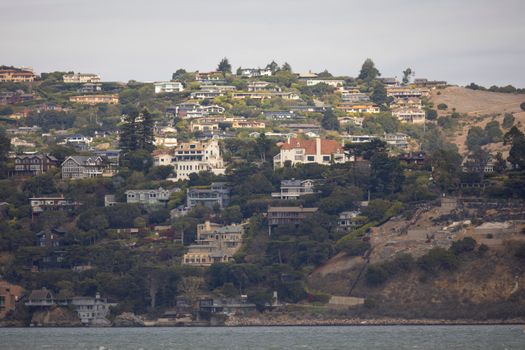
Picturesque hillside homes stacked over San Francisco Bay. Scenic and serene. Photo: Stephen Leonardi / Pexels
Navigating the San Francisco real estate market is akin to a high-stakes chess match; one wrong move can be costly. Avoiding common pitfalls is crucial for both buyers and sellers. Here are some key mistakes to steer clear of: * **Underestimating the True Cost:** Many buyers focus solely on the list price, forgetting about substantial closing costs, property taxes, HOA fees (for condos), and the potential for significant renovation expenses in older homes. San Francisco's property taxes are based on the purchase price, and a $2 million home will incur an annual tax bill of over $20,000, plus any Mello-Roos or special assessments. Get a full breakdown of all potential costs upfront. * **Skipping Pre-Approval (for Buyers):** In a competitive market, a pre-approval letter from a reputable lender is non-negotiable. Without it, your offer may not even be considered. More importantly, it helps you understand your true budget and avoids the heartbreak of falling in love with a home you can't afford. * **Over-Pricing (for Sellers):** While it's tempting to aim high, an over-priced listing will sit on the market, deterring potential buyers and often leading to price reductions later. Work with an experienced agent who can provide a data-driven comparative market analysis (CMA) to set a realistic, competitive price from the start. * **Ignoring Contingencies (for Buyers):** In an effort to make offers more attractive, buyers sometimes waive critical contingencies like inspections or appraisals. While this can be a strategy in a red-hot market, it carries significant risk. A thorough inspection can uncover costly hidden issues, and an appraisal contingency protects you if the home doesn't appraise for the offer price. * **Not Researching Neighborhoods Thoroughly:** As discussed, San Francisco neighborhoods vary wildly. Don't assume one area's characteristics apply to another. Spend time in potential neighborhoods at different times of day, research local schools, public transport, noise levels, and future development plans. What looks good on paper might not fit your lifestyle. * **Emotional Bidding Wars:** The San Francisco market can be emotionally charged, leading to bidding wars. While an agent can guide you, it's essential to set a firm budget and stick to it. Overpaying significantly due to emotion can erase potential future gains and strain your finances. * **DIY Approach Without Local Expertise:** The complexities of San Francisco's market, from disclosure requirements to unique building codes and neighborhood-specific trends, demand expert guidance. Attempting to buy or sell without a highly experienced local real estate agent is a recipe for stress and potential financial loss. Avoiding these common missteps will significantly improve your chances of a successful and less stressful real estate transaction in San Francisco.

Comparison

FactorSan Francisco (SFH)Oakland (SFH)San Jose (SFH)Sacramento (SFH)
Median Home Price (Q1 2024 Est.)$1,600,000 - $1,800,000$850,000 - $1,000,000$1,300,000 - $1,500,000$450,000 - $550,000
Price Per Sq Ft$1,000 - $1,200+$600 - $750$800 - $1,000$300 - $400
Market CompetitivenessExtremely HighHighHighModerate
Job Market InfluenceTech-dominant, GlobalDiversifying, Bay Area spilloverTech-heavy, Silicon ValleyGovernment, Healthcare
Rental Yield PotentialModerate (due to high prices)GoodModerate to GoodGood
Commute to SF Tech Hubs✓ (within city)✓ (BART/Car)✓ (Caltrain/Car)✗ (Long Car/Amtrak)

What Readers Say

"Understanding San Francisco real estate prices felt impossible until I read this guide. It broke down the market by neighborhood, helping me target my search effectively and avoid wasting time on properties out of my league. Incredibly helpful for a first-time buyer!"

Sarah Chen · Noe Valley, CA

"As a long-time resident, I thought I knew the market, but this article provided fresh insights into current San Francisco home values and the impact of tech trends. It validated some of my assumptions and gave me new perspectives on my investment property."

Mark Johnson · Marina District, CA

"Thanks to this comprehensive breakdown of San Francisco real estate prices, I secured a beautiful home in the Outer Sunset for under the median. The advice on neighborhood research and avoiding emotional bidding wars was invaluable in achieving this result."

Emily Rodriguez · Outer Sunset, CA

"The information on San Francisco real estate prices was generally spot-on, though I found some of the figures to be on the higher end compared to what I eventually paid for my condo. Still, it offered an excellent framework for understanding the market's complexities."

David Lee · Downtown SF, CA

"Even though I ended up buying outside SF, this guide to San Francisco real estate prices was instrumental in helping me compare and contrast the different Bay Area markets. It clarified why SF prices are so high and what value I could get elsewhere."

Jessica Kim · Berkeley, CA

Frequently Asked Questions

What is the current median home price in San Francisco?

The median home price in San Francisco fluctuates constantly, but as of early 2024, it typically hovers between $1.6 million to $1.8 million for all property types combined. Single-family homes often command higher prices, while condos can be slightly lower, depending on the neighborhood and specific features.

Is it still worth buying real estate in San Francisco given the high prices?

Despite the high entry cost, many consider San Francisco real estate a worthwhile long-term investment due to its limited supply, strong job market, and consistent demand. While short-term fluctuations can occur, historical trends show significant appreciation over time, making it a valuable asset for those who can afford it.

How can I find affordable neighborhoods in San Francisco?

Affordable is relative in San Francisco, but generally, neighborhoods further from the downtown core or with fewer direct transit options tend to be less expensive. Areas like the Outer Sunset, Outer Richmond, Excelsior, and parts of the Bayview can offer more accessible price points compared to central or northern districts. Researching specific blocks and property types (e.g., TICs) is key.

How do interest rates affect San Francisco real estate prices?

Higher interest rates generally increase the cost of borrowing, reducing purchasing power and potentially slowing down market activity. While San Francisco's market is somewhat resilient due to a high number of cash buyers, significant rate hikes can still lead to a cooling effect, making properties slightly less competitive or causing prices to stabilize.

How does San Francisco compare to other Bay Area cities in terms of real estate prices?

San Francisco consistently ranks as one of the most expensive cities in the Bay Area, often surpassing Oakland, San Jose, and surrounding suburban communities in median home prices and price per square foot. While other Bay Area cities are also expensive, San Francisco's unique geography and dense urban core often place it in a league of its own.

Who should consider buying property in San Francisco?

Individuals or families with substantial income, significant savings for a down payment, and a long-term investment horizon are best suited for buying property in San Francisco. It's also ideal for those who value urban living, proximity to tech jobs, and are prepared for the complexities and costs associated with a premium market.

What are the biggest risks when investing in San Francisco real estate?

Key risks include the high initial capital outlay, exposure to tech industry volatility, stringent rent control laws (for investors), and the potential for market corrections. Additionally, ongoing costs like property taxes and maintenance are high, and the market can be less liquid in downturns, making quick exits challenging.

What future trends might impact San Francisco real estate prices?

Future trends include continued influence from the tech sector's growth or contraction, evolving remote work policies, potential shifts in migration patterns, and changes in local housing development policies. Climate change concerns and infrastructure investments could also play a role in shaping long-term values and desirability across different neighborhoods.

Navigating San Francisco real estate prices requires expert insight and a clear strategy. Whether you're buying, selling, or investing, understanding these dynamics is your first step. Connect with a local real estate professional today to leverage this knowledge and achieve your property goals in the competitive San Francisco market.

Topics: san francisco real estate pricessf housing marketbay area property valuessan francisco home valuescalifornia real estate trends
Leo List

IE Escorts NO Escorts US Escorts NZ Escorts AU Escorts
Brampton weed
Adultwork EstrelaBet Vai de Bet R7 Bet Betão Galera Bet Rainbet Bet9ja Shop SportyBet BetKing Sisal Loto Foot Hollywoodbets YesPlay Odibets RushBet Jugabet BetWarrior BetCity MSport betPawa Fortebet