Your Guide to Real Estate License Requirements CA
real estate license requirements CA

Your Guide to Real Estate License Requirements CA

Navigate the path to becoming a licensed real estate professional in California with this expert-led guide.

Start Your Journey

Key Takeaways

  • ✓ Must be at least 18 years old to apply.
  • ✓ Requires 135 hours of DRE-approved pre-licensing education.
  • ✓ Successful passing of the state exam is mandatory.
  • ✓ Background check and fingerprinting are part of the process.

How It Works

1
Meet Eligibility Criteria

Ensure you are at least 18 years old and a legal resident of the U.S. These are fundamental prerequisites for applying.

2
Complete Pre-Licensing Education

Enroll in and successfully complete 135 hours of DRE-approved courses. This includes Real Estate Principles, Real Estate Practice, and one elective.

3
Apply for the State Exam

Submit your application, including proof of education, to the California Department of Real Estate (DRE). Schedule your exam once approved.

4
Pass the State Exam & Apply for License

Pass the challenging DRE real estate salesperson exam. Upon passing, submit your license application, including fingerprints for a background check.

Understanding the Foundation: Eligibility for a CA Real Estate License

A breathtaking aerial view of Los Angeles skyscrapers illuminated against the night sky, showcasing the vibrant cityscape. Photo: Daniel Narinian / Pexels
Embarking on a career in California real estate is an exciting prospect, offering immense opportunities in one of the world's most dynamic markets. However, before you can assist clients in buying or selling property, you must first navigate the specific real estate license requirements CA has meticulously established. The California Department of Real Estate (DRE) is the governing body responsible for licensing and regulating real estate professionals in the state, ensuring that all licensees meet stringent standards of education, ethics, and competency. Understanding these foundational eligibility criteria is your absolute first step, and overlooking any detail can significantly delay your journey. First and foremost, to be eligible for a real estate salesperson license in California, you must be at least 18 years old. This is a straightforward requirement, but it’s crucial to confirm your age before investing time and resources into the process. There are no exceptions to this age minimum. Secondly, while you do not need to be a U.S. citizen, you must be a legal resident of the United States. This means having a valid Social Security Number (SSN) or Individual Taxpayer Identification Number (ITIN) is essential for the application process, as it's used for identification and background checks. The DRE will verify your residency status as part of their comprehensive review. Beyond these basic demographic requirements, the DRE also conducts a thorough background check on all applicants. This is a critical component of the real estate license requirements CA mandates, designed to protect the public and maintain the integrity of the profession. You will be required to submit your fingerprints via Live Scan, which the DRE then uses to obtain your criminal history from both the California Department of Justice (DOJ) and the Federal Bureau of Investigation (FBI). While a criminal record does not automatically disqualify you, certain offenses, particularly those involving moral turpitude, fraud, or dishonesty, can lead to denial of your license. It is imperative to be completely honest and disclose any past convictions on your application. The DRE evaluates each case individually, considering the nature of the crime, the time elapsed since the conviction, and evidence of rehabilitation. Failing to disclose a conviction that is later discovered can be a more significant impediment than the conviction itself. For those with a history, it's often advisable to seek legal counsel or consult directly with the DRE's enforcement division for guidance on how a specific record might impact their eligibility. This proactive approach can save considerable time and heartache down the line. Understanding these initial hurdles is paramount before diving into the educational and examination phases of becoming a licensed real estate agent in California. For more on the broader landscape of real estate careers, explore our guide on navigating the real estate industry.

The Educational Pathway: Fulfilling CA Pre-Licensing Course Requirements

A young adult focused on studying in an empty classroom with streaming sunlight and a serene atmosphere. Photo: Alex Dos Santos / Pexels
Once you've confirmed your basic eligibility, the next significant hurdle in the real estate license requirements CA process is completing the mandatory pre-licensing education. The California Department of Real Estate (DRE) requires all salesperson license applicants to successfully complete three college-level courses, totaling 135 hours of instruction. These courses are designed to equip aspiring agents with the fundamental knowledge and ethical framework necessary to practice real estate competently and responsibly within the state. It's not just about passing an exam; it's about building a solid foundation for your future career. The three required courses are: Real Estate Principles (45 hours), Real Estate Practice (45 hours), and one elective course (45 hours). The elective can be chosen from a list of DRE-approved subjects, which typically includes Real Estate Appraisal, Real Estate Finance, Property Management, Real Estate Economics, Legal Aspects of Real Estate, or Real Estate Office Administration. Each of these courses delves into specific areas of real estate, providing a comprehensive understanding of the industry. Real Estate Principles covers the basic concepts of land, property rights, ownership, contracts, and agency relationships. Real Estate Practice focuses on the practical aspects of working as an agent, including listing agreements, purchase agreements, escrow procedures, and ethical conduct. The elective allows you to specialize slightly or deepen your understanding in an area that particularly interests you or that you believe will benefit your future practice. These courses must be taken from a DRE-approved real estate school. California offers a variety of educational formats, including traditional classroom settings, online self-study programs, and correspondence courses. The flexibility of online learning has made it a popular choice for many, allowing individuals to complete their education at their own pace while balancing other commitments. Regardless of the format, the content and rigor of the courses are standardized by the DRE. Upon successful completion of each course, you will receive a certificate of completion, which is a crucial document you'll need to submit with your license application. It's important to note that while the minimum time to complete these courses is 2.5 weeks per course (or 18 days), most students take significantly longer, often 2-3 months or more, depending on their study habits and schedule. The DRE also sets a maximum completion time, typically one year from enrollment, so it's essential to maintain momentum. Choosing the right school is a critical decision; look for providers with strong reputations, comprehensive study materials, and positive student reviews to ensure you receive the best possible preparation for both the state exam and your future career. Many schools also offer exam preparation packages alongside the required courses, which can be invaluable for boosting your confidence before the big test.

Conquering the Exam and Application: Finalizing Your CA Real Estate License

Close-up of student answering a test in a classroom environment. Photo: This And No Internet 25 / Pexels
After diligently completing your 135 hours of pre-licensing education, the next major milestone in fulfilling the real estate license requirements CA demands is passing the state examination. This is often considered the most challenging part of the process, as the California Real Estate Salesperson Exam is known for its comprehensive nature and rigorous standards. The exam is administered by the California Department of Real Estate (DRE) and is designed to test your knowledge across a broad spectrum of real estate topics, ensuring that only qualified individuals are granted licenses. Preparing thoroughly for this exam is non-negotiable for success. The exam consists of 150 multiple-choice questions and you are given 3 hours and 15 minutes to complete it. A passing score is 70% or higher. The questions cover areas such as property ownership and land use controls, laws of agency, valuation and market analysis, financing, property management, and real estate contracts. It's not enough to simply memorize facts; the exam often tests your ability to apply concepts to real-world scenarios. Many candidates find it beneficial to enroll in a dedicated exam prep course, utilize practice tests, and review flashcards or study guides extensively. These resources can help you identify areas where you need more study and familiarize you with the exam format and question types. Don't underestimate the importance of consistent review and practice; it's the key to building confidence and recall under pressure. For further insights into career progression, consider reading about advancing your real estate career. Once you have successfully passed the state exam, you are on the home stretch! The final step is to submit your complete license application to the DRE. This application package will include your official exam results, proof of your completed pre-licensing education (certificates of completion), and your Live Scan fingerprinting results for the background check. It's crucial to ensure all forms are filled out accurately and completely to avoid delays. The DRE requires a specific application form (RE 400A) for the salesperson license. Along with the application, you'll need to pay the required license fee. The DRE will then review your entire application, including your background check results. If everything is in order, and there are no issues with your background, the DRE will issue your California Real Estate Salesperson License. This entire process, from submitting your application to receiving your license after passing the exam, can take several weeks, or even months, depending on the DRE's processing times and any complexities with your background check. Patience and meticulous attention to detail throughout the application process are key to a smooth and successful outcome. Once licensed, you must then find a sponsoring broker to work under, as salespersons cannot operate independently in California.

Common Pitfalls and Expert Tips for Aspiring CA Real Estate Agents
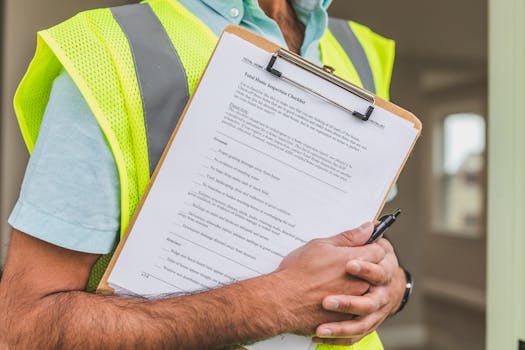
Close-up of home inspector holding a checklist on a clipboard with a pen. Photo: RDNE Stock project / Pexels
Navigating the real estate license requirements CA sets forth can be a complex journey, and while the steps seem straightforward, many aspiring agents encounter common pitfalls that can delay or derail their progress. Being aware of these challenges and adopting strategic approaches can significantly smooth your path to licensure. Here are some expert tips and warnings about common mistakes: * **Underestimating the Education:** Many candidates rush through the 135 hours of pre-licensing education, viewing it merely as a checkbox. However, a superficial understanding will not only make the state exam much harder but also leave you ill-prepared for actual practice. Invest time in truly learning the material, not just memorizing. Engage with the content, ask questions, and ensure you grasp the underlying principles. * **Neglecting Exam Preparation:** The California Real Estate Salesperson Exam is notoriously difficult. A common mistake is relying solely on the knowledge gained from the pre-licensing courses without dedicated exam preparation. Utilize practice tests, study groups, and exam prep materials. Focus on understanding the DRE's specific terminology and question style. Many fail the exam on their first attempt; adequate preparation significantly increases your chances of success. * **Incomplete or Inaccurate Applications:** The DRE is meticulous about application details. Any missing information, incorrect dates, or discrepancies can lead to your application being returned, causing significant delays. Double-check every form, ensure all required documents (like education certificates and fingerprinting results) are included, and verify all personal information before submission. * **Failure to Disclose Criminal History:** This is perhaps the most critical mistake. Even minor past offenses, if not disclosed, can lead to immediate denial of your license for dishonesty, even if the offense itself might not have been a disqualifier. Always be truthful and provide all requested documentation regarding any criminal history. The DRE will find out during the background check, and honesty is always the best policy. * **Waiting Too Long After Education:** While there's no strict expiration for your pre-licensing course certificates, the longer you wait between completing your education and taking the state exam, the more likely you are to forget crucial information. Aim to schedule your exam as soon as you feel adequately prepared after finishing your courses. * **Not Budgeting for All Costs:** Beyond course fees, factor in exam fees, license application fees, fingerprinting costs, and potentially exam prep materials. These can add up, so having a clear financial plan prevents unexpected hurdles. * **Choosing the Wrong Sponsoring Broker:** Once licensed, your first broker can significantly impact your early career. Don't rush this decision. Look for a brokerage that offers strong mentorship, training, and a supportive environment, especially for new agents. Your broker is your first mentor and a crucial resource in your initial years. By being mindful of these common pitfalls and proactively addressing them, you can streamline your journey through the real estate license requirements CA process and set yourself up for a successful career in California real estate.

Comparison

FeatureCA Salesperson LicenseCA Broker LicenseOther States
Minimum Age18 years old18 years oldVaries (18-21)
Education Hours135 hours360 hoursVaries (60-180)
Experience RequiredNone2 years full-time or equivalentVaries
Exam DifficultyHighVery HighVaries
Sponsoring Broker Needed✗ (can be independent)Varies
Direct Client RepresentationUnder broker supervisionVaries

What Readers Say

"This guide broke down the real estate license requirements CA so clearly. I was overwhelmed by all the DRE information, but this article made it manageable and easy to follow. Highly recommend for anyone starting out!"

Sarah J. · Los Angeles, CA

"The section on common pitfalls was incredibly insightful. I almost made the mistake of not fully disclosing a minor past incident, but this article prompted me to be completely transparent, which saved me a lot of trouble with the DRE."

Mark T. · San Diego, CA

"Thanks to this comprehensive guide, I successfully navigated the real estate license requirements CA and passed my state exam on the first try! The tips on exam prep were spot on and made a huge difference in my study strategy."

Jessica L. · San Francisco, CA

"A very thorough overview of the process. While some parts felt a bit dense, the overall structure and detailed explanations were extremely helpful. It's a must-read for anyone serious about getting their CA real estate license."

David R. · Sacramento, CA

"As someone transitioning careers, understanding the real estate license requirements CA was my biggest hurdle. This article provided a clear roadmap, from education to the final application, making the entire process feel achievable."

Emily K. · Orange County, CA

Frequently Asked Questions

How long does it typically take to get a real estate license in California?

The total time can vary significantly. Completing the 135 hours of pre-licensing education typically takes 2-3 months, but can be done faster (minimum 2.5 weeks per course). After completing education, applying for the exam, taking it, and then applying for the license can add another 1-3 months, depending on DRE processing times and how quickly you schedule your exam. Realistically, expect 3-6 months from start to finish.

Can I get a real estate license in CA with a criminal record?

It depends on the nature of the crime. While a criminal record does not automatically disqualify you, the DRE reviews each case individually. Crimes involving moral turpitude, fraud, or dishonesty are viewed most seriously. Full disclosure is paramount; failing to disclose a conviction is often more detrimental than the conviction itself. The DRE considers the severity, time elapsed, and evidence of rehabilitation.

What is the passing score for the California Real Estate Salesperson Exam?

To pass the California Real Estate Salesperson Exam, you must achieve a score of 70% or higher. The exam consists of 150 multiple-choice questions and you are allotted 3 hours and 15 minutes to complete it. Thorough preparation is essential due to the exam's comprehensive nature.

What are the total costs associated with obtaining a CA real estate license?

Costs can range. Pre-licensing education typically costs between $200-$600, depending on the school and package. The state exam application fee is around $60, and the license application fee is approximately $245. Fingerprinting (Live Scan) costs vary but are usually $50-$100. Additionally, consider costs for exam prep materials, which can be $50-$300. Total estimated costs often fall between $600-$1,300.

Is an online real estate school as good as a traditional classroom in California?

Yes, as long as the online school is approved by the California Department of Real Estate (DRE), the quality of education is considered equivalent. Online courses offer flexibility, allowing you to study at your own pace, which can be ideal for those balancing other commitments. The DRE standardizes the curriculum and hours regardless of the delivery method, ensuring you receive the necessary knowledge for the state exam.

Who should pursue a real estate license in California?

A real estate license in California is ideal for individuals who are self-motivated, enjoy working with people, have strong communication skills, and are interested in sales, marketing, and property. It's suitable for those looking for a flexible career with uncapped earning potential, who are passionate about helping others achieve their homeownership or investment goals, and who are willing to commit to continuous learning in a dynamic market.

Are there any risks involved in getting a CA real estate license?

The primary risks involve the investment of time and money without guaranteed success. There's a risk of failing the state exam, requiring re-takes and additional fees. Also, the real estate market can be competitive, and success is not immediate; it requires dedication, networking, and consistent effort to build a client base. There's also the risk of not finding a suitable sponsoring broker after licensure.

How might technology impact future real estate license requirements CA?

Technology is continuously evolving the real estate industry. Future real estate license requirements in CA might incorporate more training on proptech tools, virtual reality tours, blockchain applications for transactions, and advanced data analytics. There could also be increased emphasis on cybersecurity and data privacy to protect client information in an increasingly digital landscape. Continuing education requirements may also adapt to cover emerging technologies.

Ready to take the plunge into California's vibrant real estate market? Understanding the real estate license requirements CA mandates is your first, crucial step. Use this comprehensive guide to confidently navigate the educational, examination, and application processes, and embark on a rewarding career helping others achieve their property dreams.

Topics: real estate license requirements CACalifornia DRE licensebecome a real estate agent CACA real estate examreal estate education California
Leo List
Brampton weed
Adultwork EstrelaBet Vai de Bet R7 Bet Betão Galera Bet Rainbet Bet9ja Shop SportyBet BetKing Sisal Loto Foot Hollywoodbets YesPlay Odibets RushBet Jugabet BetWarrior BetCity MSport betPawa Fortebet