Navigating Foreclosures in California: Your Ultimate Guide
foreclosures in California

Navigating Foreclosures in California: Your Ultimate Guide

Unlock the complexities of foreclosures in the Golden State, from understanding the process to identifying unique opportunities.

Start Your Journey

Key Takeaways

  • ✓ California is a non-judicial foreclosure state for most residential properties.
  • ✓ The foreclosure process typically begins with a Notice of Default (NOD).
  • ✓ Homeowners have a Right of Reinstatement during the NOD period.
  • ✓ Foreclosures can present investment opportunities but come with risks.

How It Works

1
Understanding the Notice of Default (NOD)

The NOD formally initiates the foreclosure process, signaling that the homeowner has fallen behind on mortgage payments. This document is recorded with the county recorder and starts a mandatory waiting period.

2
The Reinstatement Period

After the NOD, homeowners typically have 90 days to cure the default by paying all missed payments, late fees, and foreclosure costs. This period is crucial for borrowers to avoid further proceedings.

3
Notice of Trustee Sale (NTS)

If the default isn't cured, a Notice of Trustee Sale is recorded and publicly posted, announcing the date, time, and location of the auction. This notice must be given at least 20 days before the sale.

4
Trustee Sale Auction

The property is sold to the highest bidder at a public auction, usually held on the courthouse steps. The sale is final, and the new owner receives a trustee's deed.

Understanding the California Foreclosure Process: A Deep Dive

Mortgage broker and client discussing loan application with documents on table. Photo: RDNE Stock project / Pexels
Foreclosures in California are governed by specific laws and procedures, primarily non-judicial, meaning they typically occur outside of court oversight. This streamlined process can be quicker than judicial foreclosures, but it also means homeowners have fewer opportunities for court intervention. The journey begins when a homeowner defaults on their mortgage payments, usually after missing several consecutive payments. Lenders are required to attempt to contact the borrower to explore options before initiating formal foreclosure proceedings. This initial outreach often involves a 'loss mitigation' discussion, where alternatives like loan modifications, forbearance, or short sales might be discussed. The first official step in a non-judicial foreclosure is the recording of a Notice of Default (NOD) by the trustee, who is typically appointed by the lender. This document is a public record and signifies that the borrower is in default. It outlines the amount owed to bring the loan current, including principal, interest, late fees, and any foreclosure costs incurred to date. Once the NOD is recorded, a mandatory 90-day waiting period begins. During this critical period, the homeowner has the 'Right of Reinstatement,' meaning they can stop the foreclosure by paying the total amount in default. This includes all missed payments, penalties, and foreclosure-related expenses. Many homeowners, often with the help of real estate professionals or housing counselors, attempt to reinstate their loans during this window. If the homeowner fails to reinstate the loan within the 90-day period, the next step is the recording and publication of a Notice of Trustee Sale (NTS). This notice specifies the date, time, and location of the public auction where the property will be sold. The NTS must be published in a local newspaper of general circulation, posted on the property itself, and mailed to all interested parties, including the homeowner. There's another waiting period of at least 20 days between the NTS recording and the actual sale date. During this brief window, homeowners still have a limited right of reinstatement, often up to five business days before the scheduled sale. However, the costs to reinstate become significantly higher due to accumulated fees and interest. Understanding these timelines and legal requirements is paramount for both homeowners facing foreclosure and potential buyers looking for opportunities in the market. The strict adherence to these procedures ensures fairness, even in a non-judicial system, and provides clear steps for all parties involved.

Rights and Protections for Homeowners Facing Foreclosures in California

Diverse group of people participating in an equal rights protest outdoors, holding placards and engaging with police. Photo: RDNE Stock project / Pexels
While the prospect of foreclosure can be daunting, homeowners in California are afforded several significant rights and protections designed to offer relief and alternatives. The Homeowner Bill of Rights (HOBR), enacted in 2013 and later made permanent, provides crucial safeguards against abusive foreclosure practices. One of the most important provisions is the 'dual tracking' prohibition, which prevents a mortgage servicer from proceeding with a foreclosure while concurrently reviewing a homeowner's application for a loan modification or other foreclosure prevention options. This ensures that homeowners have a fair chance to explore alternatives without the immediate threat of a sale. Another key protection under HOBR is the requirement for servicers to provide a single point of contact (SPOC) to homeowners seeking assistance. This SPOC is responsible for communicating with the borrower about available options, the status of their application, and any required documentation. This helps to reduce confusion and frustration often associated with navigating complex bureaucratic processes during a stressful time. Homeowners also have the right to appeal a servicer's denial of a loan modification, providing an additional layer of review. Beyond HOBR, homeowners have the right to request a copy of their payment history, loan documents, and other relevant information from their mortgage servicer. This transparency can be crucial in identifying errors or discrepancies that could be used to challenge a foreclosure. Furthermore, California law requires specific disclosures and notifications throughout the foreclosure process, ensuring that homeowners are fully informed of their situation and options. For instance, the Notice of Default must accurately state the amount needed to cure the default, and any errors could potentially invalidate the notice. Even after the Notice of Trustee Sale is recorded, homeowners may still have options. They can attempt to sell the property through a 'short sale,' where the sale price is less than the outstanding mortgage balance, with the lender's approval. Alternatively, a 'deed in lieu of foreclosure' allows the homeowner to voluntarily transfer the property's title back to the lender, often in exchange for a waiver of the deficiency balance. These options, while still resulting in the loss of the home, can help homeowners avoid the credit impact of a full foreclosure and provide a more controlled exit. Seeking advice from a housing counselor or an attorney specializing in California real estate law is highly recommended to understand and leverage these protections effectively.

Investing in Foreclosures in California: Opportunities and Risks
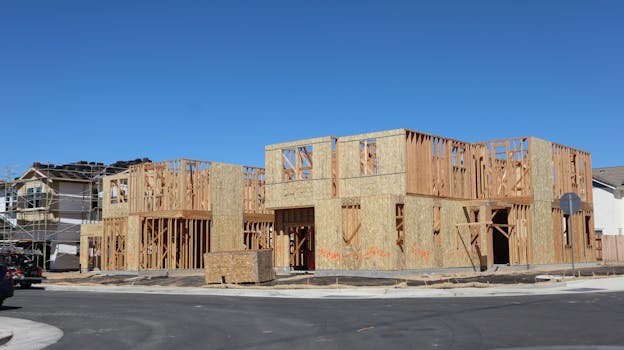
A timber-framed house under construction in Elk Grove, CA. Photo: D Goug / Pexels
Investing in foreclosures in California can be an attractive proposition for savvy buyers and investors, offering the potential to acquire properties below market value. However, this lucrative opportunity comes with its own set of significant risks and complexities that require thorough due diligence. The primary appeal lies in the potential for higher returns, as distressed properties are often sold at a discount, whether through pre-foreclosure sales, public auctions, or real estate owned (REO) properties after a failed auction. When considering buying at a trustee sale auction, investors must be prepared to act quickly and without the typical contingencies found in traditional real estate transactions. Properties are sold 'as-is,' and potential buyers usually do not have the opportunity to conduct interior inspections or even thoroughly assess the property's condition. This means hidden defects, extensive repairs, or even existing tenants can become the new owner's responsibility immediately after the sale. Furthermore, payment is often required in full, typically by cashier's check, within a very short timeframe after the auction concludes. It's also crucial to research any junior liens or encumbrances, as while the trustee sale typically wipes out junior liens, confirming this before bidding is essential. Title insurance might not be available for properties purchased at auction, adding another layer of risk. Pre-foreclosures, where a Notice of Default has been filed but the property hasn't gone to auction yet, offer a different avenue. In these situations, investors can work directly with the homeowner to purchase the property, often through a traditional sale. This allows for inspections, negotiations, and obtaining financing, reducing some of the risks associated with auctions. However, the homeowner may still be attempting to reinstate their loan or pursue other loss mitigation options, making these deals less certain. Understanding market trends and local property values is key to making an informed offer. REO properties, which are properties that failed to sell at auction and are now owned by the lender, generally present the safest option for investors. Lenders typically clear the title of any outstanding liens and often perform some basic repairs or maintenance. These properties are sold through traditional real estate channels, allowing for inspections, appraisals, and financing. While the discounts might not be as steep as at auction, the reduced risk and more conventional buying process make them appealing to a broader range of investors. Regardless of the entry point, a deep understanding of the local market, financial resources, and a tolerance for risk are essential for anyone looking to capitalize on foreclosures in California.

Common Mistakes to Avoid When Dealing with Foreclosures in California

Yellow 'END' sign in Elk Grove, California, with a bright blue sky and brick wall backdrop. Photo: D Goug / Pexels
Navigating foreclosures in California, whether as a homeowner or an investor, is fraught with potential pitfalls. Avoiding common mistakes can save significant financial loss, emotional distress, or missed opportunities. For homeowners, one of the most critical errors is ignoring communication from their lender or servicer. Many assume the situation is hopeless, but early and proactive engagement can open doors to loss mitigation options like loan modifications, forbearance, or repayment plans that can prevent foreclosure altogether. Failing to understand the specific timelines associated with the Notice of Default and Notice of Trustee Sale can also lead to missed opportunities for reinstatement or finding alternative solutions. Another frequent mistake for homeowners is falling victim to foreclosure scams. Unscrupulous individuals or companies often prey on distressed homeowners, promising quick fixes or guaranteed loan modifications for upfront fees. These services are often fraudulent and leave homeowners in a worse financial position. Always verify the credentials of anyone offering assistance and be wary of anyone asking for payment before providing services or guaranteeing results. Consulting with HUD-approved housing counselors or reputable real estate attorneys is always the safest bet. For investors, the biggest mistake is often insufficient due diligence. Purchasing a property at auction without a thorough understanding of its condition, potential repair costs, or any existing liens can lead to significant financial losses. Assuming a 'great deal' without factoring in all associated costs – including potential legal fees, eviction costs, and extensive renovations – is a recipe for disaster. Failing to account for occupancy issues, where previous owners or tenants refuse to vacate, can result in lengthy and expensive eviction processes. * **For Homeowners:** * Ignoring lender communications. * Not seeking legal or counseling advice early. * Falling for foreclosure scams. * Missing critical deadlines for reinstatement or loss mitigation applications. * **For Investors:** * Lack of thorough property inspection (for pre-foreclosures/REOs) or due diligence (for auctions). * Underestimating repair and renovation costs. * Failing to research junior liens or encumbrances. * Not budgeting for potential eviction costs or holding costs. * Paying too much at auction without considering all risks and potential liabilities. Both parties must approach foreclosures with a clear understanding of the legal framework, financial implications, and available resources. Hasty decisions or a lack of preparation can turn what could be a beneficial outcome into a costly ordeal.

Comparison

FeaturePre-ForeclosureTrustee Sale AuctionREO Property
Inspection AccessTypically allowedNot allowedTypically allowed
Financing OptionsTraditional mortgageCash onlyTraditional mortgageTraditional mortgage
Title CleanlinessBuyer's responsibilityOften clean, but riskyLender clears title
Potential DiscountModerateHighModerate
Risk LevelMediumHighLow to Medium

What Readers Say

"When facing foreclosure, I felt overwhelmed. This guide helped me understand my rights and options in California. It clarified the NOD process and gave me the confidence to negotiate with my lender, ultimately leading to a successful loan modification."

Sarah J. · Los Angeles, CA

"As a new investor, I was looking for foreclosures in California. This resource broke down the complexities of trustee sales and REOs. It really highlighted the importance of due diligence, which prevented me from making a costly mistake."

Mark D. · San Diego, CA

"The information provided here on the California Homeowner Bill of Rights was invaluable. I was able to challenge a dual-tracking issue with my servicer, which bought me time and resulted in my foreclosure being halted."

Emily R. · San Francisco, CA

"While incredibly comprehensive, I wish there were more specific examples of successful loan modifications in California. However, the step-by-step breakdown of the foreclosure process was exceptionally clear and helpful for navigating a difficult situation."

David L. · Sacramento, CA

"I used this guide to understand the risks and rewards of buying foreclosures in California. It helped me identify a promising REO property, and I was able to secure a great deal after understanding the entire process."

Jessica M. · Riverside, CA

Frequently Asked Questions

What is the primary difference between judicial and non-judicial foreclosures in California?

California primarily uses non-judicial foreclosures for residential properties, which means the process occurs outside of court without a judge's oversight, making it generally faster. Judicial foreclosures, though less common, involve court proceedings and can offer homeowners more opportunities to defend against the action or extend the process.

Can I stop a foreclosure in California once a Notice of Default (NOD) has been filed?

Yes, you can often stop a foreclosure after an NOD is filed during the 90-day reinstatement period. By paying the full amount of the default, including missed payments, late fees, and foreclosure costs, you can reinstate your loan and halt the process. Even after this period, limited reinstatement rights may exist until shortly before the trustee sale.

How can I find foreclosures in California?

You can find foreclosures in California through several avenues: public records (county recorder's office for NODs and NTSs), online foreclosure listing services, real estate agents specializing in distressed properties, and directly from bank websites for REO properties. Attending local trustee auctions can also provide direct access to properties.

What are the typical costs associated with buying a foreclosure at auction in California?

Beyond the bid price, buyers at auction must be prepared for significant costs. These include paying the full amount in cash or cashier's checks immediately, potential costs for evicting former occupants, extensive repairs for unseen damage, and the lack of title insurance. Traditional closing costs are usually absent, but other risks and expenses can be substantial.

Are there any specific protections for tenants living in a foreclosed property in California?

Yes, California law provides protections for tenants in foreclosed properties. The Protecting Tenants at Foreclosure Act (PTFA) and state laws generally require the new owner to honor existing leases and provide adequate notice (often 90 days) before requiring tenants to vacate, especially for bona fide tenants who are not the former homeowner.

Who should I contact if I'm facing foreclosure in California?

If you're facing foreclosure, you should immediately contact your mortgage servicer to discuss loss mitigation options. Additionally, seek guidance from a HUD-approved housing counseling agency or a qualified California real estate attorney specializing in foreclosure defense. These professionals can help you understand your rights and explore all available solutions.

What are the risks of buying a foreclosure in California without an inspection?

Buying a foreclosure without an inspection, especially at a trustee sale auction, carries high risks. You assume the property 'as-is' with all hidden defects, which could range from minor cosmetic issues to major structural problems, mold, or environmental hazards. The cost of these unknown repairs can quickly erode any potential savings from the discounted purchase price.

How has the market for foreclosures in California changed recently?

The market for foreclosures in California is highly cyclical, influenced by economic conditions, interest rates, and employment rates. While the number of foreclosures has been historically low in recent years due to strong housing markets and homeowner protections, economic shifts or rising interest rates could lead to an increase. Staying informed about current market trends and economic forecasts is essential for both homeowners and investors.

Understanding foreclosures in California is crucial whether you're a homeowner seeking to protect your property or an investor looking for opportunities. Leverage this comprehensive guide to navigate the complexities, make informed decisions, and secure the best possible outcome in the dynamic California real estate landscape.

Topics: foreclosures in CaliforniaCalifornia foreclosure processbuying foreclosures CAforeclosure laws California
Leo List

DK Escorts LU Escorts AT Escorts SE Escorts FI Escorts CH Escorts DE Escorts HR Escorts IE Escorts GR Escorts CZ Escorts NO Escorts BE Escorts FR Escorts SI Escorts IL Escorts NL Escorts PL Escorts HU Escorts ES Escorts IT Escorts PT Escorts SK Escorts RO Escorts ZA Escorts UY Escorts US Escorts UK Escorts NZ Escorts AU Escorts
Brampton weed
Adultwork EstrelaBet Vai de Bet R7 Bet Betão Galera Bet Rainbet Bet9ja Shop SportyBet BetKing Sisal Loto Foot Hollywoodbets YesPlay Odibets RushBet Jugabet BetWarrior BetCity MSport betPawa Fortebet