✓ California's median home price significantly exceeds the national average.
✓ Competition is fierce, often requiring swift decisions and strong offers.
✓ Interest rates, property taxes, and insurance costs are crucial factors to consider.
✓ First-time homebuyer programs can offer substantial financial assistance.
How It Works
1
Secure Pre-Approval
Understand your borrowing power and get a pre-approval letter. This demonstrates serious intent to sellers and helps define your budget.
2
Find an Expert Agent
Partner with a local real estate agent who specializes in your desired California market. Their expertise is invaluable for navigating offers and negotiations.
3
Make a Competitive Offer
Craft a strong offer that considers market conditions, contingencies, and seller preferences. Be prepared for potential multiple offer scenarios.
4
Close the Deal
Navigate inspections, appraisals, and escrow diligently. Ensure all paperwork is complete and conditions are met before final closing.
Understanding the California Real Estate Market
Photo: D Goug / Pexels
Buying a house in California is an aspirational goal for many, but it comes with unique challenges and opportunities. The Golden State's real estate market is notoriously dynamic, characterized by high demand, limited inventory, and median home prices that often dwarf national averages. Understanding these fundamental dynamics is the first critical step in your homebuying journey.
California's diverse geography means that market conditions can vary dramatically from one region to another. For instance, the highly competitive markets of the Bay Area or coastal Southern California present different hurdles compared to the more affordable Central Valley or inland regions. Researching specific local market trends, including average days on market, sales-to-list price ratios, and recent comparable sales, will provide you with invaluable insights. This local intelligence will empower you to set realistic expectations regarding pricing, offer strategies, and the overall pace of the transaction.
Another significant factor is the prevailing interest rate environment. Even small fluctuations in mortgage rates can have a substantial impact on your monthly payments and overall affordability, especially given California's higher price points. It's crucial to stay informed about current rates and understand how they affect your purchasing power. Many buyers in California also contend with property taxes, which, while capped at 1% of the assessed value under Proposition 13, can still amount to a significant annual expense on higher-priced homes. Furthermore, homeowners insurance costs are on the rise in certain areas due to increasing climate risks like wildfires and floods, adding another layer of financial consideration.
Navigating this complex landscape requires more than just financial readiness; it demands a strategic approach and a deep understanding of local nuances. Whether you're a first-time buyer or looking to upgrade, preparing for the unique aspects of the California market will position you for success. It's not just about finding a house; it's about finding the right house at the right price, with terms that work for you in one of the most desirable housing markets in the world. Explore more about California real estate trends to gain a competitive edge.
Financing Your California Home Purchase
Photo: Monstera Production / Pexels
Securing robust financing is arguably the most critical component when you're looking to buy a house in California. Given the state's high property values, the size of your mortgage will likely be substantial, making every percentage point and loan term detail matter. The first and most vital step is to get pre-approved for a mortgage. A pre-approval letter from a reputable lender is not just an estimate; it's a conditional commitment to lend you a specific amount, providing a clear ceiling for your budget and signaling to sellers that you are a serious and qualified buyer. In competitive California markets, an offer without pre-approval is often immediately dismissed.
When exploring financing options, you'll encounter various loan types, each with its own advantages. Conventional loans are popular for their flexibility, but they often require excellent credit and a significant down payment to avoid private mortgage insurance (PMI). FHA loans, backed by the Federal Housing Administration, offer lower down payment requirements and more lenient credit standards, making them attractive for first-time buyers. VA loans provide exceptional benefits for eligible veterans and service members, including no down payment and no PMI. Additionally, jumbo loans are common in California due to the high home prices that often exceed the conforming loan limits set by Fannie Mae and Freddie Mac. These loans typically have stricter qualification criteria.
Beyond the loan type, understanding your down payment options is crucial. While a 20% down payment is ideal for avoiding PMI and securing better rates, it's not always feasible, especially in California. Many programs allow for as little as 3-5% down, though this often comes with PMI. Don't forget to factor in closing costs, which typically range from 2-5% of the loan amount and include fees for appraisals, title insurance, escrow services, and more. These can quickly add up to tens of thousands of dollars. It's essential to get a detailed breakdown from your lender early in the process.
Moreover, California offers several first-time homebuyer programs, such as those administered by the California Housing Finance Agency (CalHFA), which can provide down payment assistance, closing cost assistance, and favorable loan terms. Researching these programs thoroughly can significantly reduce your out-of-pocket expenses and make homeownership more accessible. Working with a mortgage broker who specializes in California loans can help you navigate these complex options and secure the best possible terms for your specific financial situation.
Navigating the Home Search and Offer Process
Photo: Robert So / Pexels
Once your financing is in order, the exciting yet challenging phase of finding and securing your ideal home begins. The California home search requires patience, strategic thinking, and the right team. Your real estate agent will be your most valuable ally in this process. A local expert understands neighborhood nuances, school districts, future development plans, and, critically, how to craft a winning offer in a competitive environment. They can provide access to listings before they hit public sites, offer insights into seller motivations, and guide you through the complexities of the California purchase agreement. Find out more about choosing the right real estate agent for your needs.
When you find a home you love, the offer process in California can be swift and intense. Due to high demand, it's common for desirable properties to receive multiple offers, sometimes above the asking price. Your agent will help you analyze comparable sales (comps) to determine a fair market value and strategize your offer price. Beyond the price, the terms of your offer are equally important. A strong offer might include a larger earnest money deposit, fewer contingencies (like waiving the appraisal contingency if you're comfortable with the risk), a shorter inspection period, or a flexible closing date to accommodate the seller's timeline. Cash offers, while not always an option for everyone, are particularly attractive to sellers and can give you a significant edge.
Inspections are a critical due diligence step. Even in a hot market, never skip a thorough home inspection. This allows you to uncover potential issues with the property's structure, systems, and overall condition. Depending on the findings, you may have the opportunity to negotiate repairs, credits, or even withdraw your offer if major problems arise. Similarly, a professional appraisal will confirm the home's value for your lender. If the appraisal comes in lower than your offer price, it can create a financing gap that you'll need to cover or renegotiate with the seller.
Escrow is the final stage where an impartial third party holds all documents and funds until all conditions of the sale are met. This typically takes 30-45 days, during which time all remaining paperwork, loan funding, and title transfers are finalized. Your agent and the escrow officer will guide you through this process, ensuring all legal and financial requirements are satisfied before you receive the keys to your new California home. This entire sequence demands meticulous attention to detail and swift decision-making, emphasizing the need for an experienced team by your side.
Common Pitfalls and Smart Strategies for California Buyers
Photo: Kampus Production / Pexels
Buying a house in California, while rewarding, is fraught with potential pitfalls that savvy buyers must navigate. One of the most common mistakes is underestimating the true cost of homeownership beyond the mortgage payment. Property taxes, homeowners insurance (especially in fire-prone areas), HOA fees, and ongoing maintenance can add thousands to your annual expenses. Always budget for these additional costs from the outset.
Another pitfall is emotional overspending. In a competitive market, it's easy to get caught up in bidding wars and pay more than you originally intended or what the property is truly worth. Stick to your budget and be prepared to walk away if the price becomes unsustainable. Waiving all contingencies, particularly the inspection contingency, can also be a risky move. While it might make your offer more attractive, it exposes you to significant financial liabilities if hidden defects are discovered after closing. Always perform due diligence, even if it means a shorter inspection period.
**Smart Strategies for Success:**
* **Get Hyper-Local:** Research specific neighborhoods intensely. School districts, commute times, local amenities, and future development plans significantly impact home values and your quality of life. What's hot in one block might be lukewarm a mile away.
* **Be Pre-Approved, Not Just Pre-Qualified:** A full pre-approval letter carries more weight than a pre-qualification. It shows sellers you've gone through a rigorous financial vetting process.
* **Have Your Down Payment Ready:** Cash is king. The more liquid funds you have for a down payment and closing costs, the stronger your position. Consider programs that assist with down payments if needed.
* **Work with a Local Expert:** An agent who specializes in your desired California region will have invaluable market insights, negotiation skills, and connections to local lenders and inspectors.
* **Be Flexible on Terms, Not Just Price:** Sometimes, offering a quicker close, a lease-back option for the seller, or fewer contingencies can make your offer more appealing than a slightly higher price.
* **Understand "As-Is" Sales:** Many properties are sold "as-is" in California. This doesn't mean you can't inspect, but it often means the seller isn't obligated to make repairs. Factor potential repair costs into your offer.
* **Plan for Property Taxes and Insurance:** California property taxes can be substantial. Get an estimate early. Also, obtain insurance quotes, especially if buying in areas susceptible to natural disasters.
* **Don't Rush into Decisions:** While speed is often necessary, avoid making rushed, uninformed decisions. Take a breath, consult your agent, and review all documents carefully before signing.
Comparison
Feature
Conventional Loan
FHA Loan
VA Loan
Down Payment
Typically 5-20% (sometimes 3%)
As low as 3.5%
0%
Credit Score
Good to Excellent (620+)
More Lenient (580+)
Varies by Lender (often 620+)
Mortgage Insurance
PMI if less than 20% down
MIP (Mandatory)
No PMI/MIP
Eligibility
Broad
Primarily First-Time Buyers
Eligible Veterans/Service Members
What Readers Say
★★★★★
"This guide was a lifesaver for understanding how to buy a house in California. We felt so much more prepared for the competitive San Diego market and knew exactly what questions to ask our lender and agent. Highly recommend for any prospective buyer!"
Sarah J. · San Diego, CA
★★★★★
"The sections on financing and local market dynamics were incredibly helpful. We were able to secure a great rate and navigate multiple offers thanks to the strategies outlined here. It made the stressful process of buying in California much clearer."
Michael D. · Sacramento, CA
★★★★★
"As a first-time buyer in the Bay Area, I thought homeownership was impossible. This article broke down how to buy a house in California into manageable steps, helping me find a fantastic condo and close in under 30 days. Truly invaluable advice!"
Jessica L. · San Francisco, CA
★★★★★
"While the guide provided excellent general advice, the specific market conditions in West Hollywood meant we still faced unique challenges. However, the foundational knowledge on pre-approval and offer strategies was solid and gave us a strong starting point."
David R. · Los Angeles, CA
★★★★★
"We moved from out of state and had no idea how different the California real estate market was. This resource explained everything from property taxes to competitive offers, making our transition and home purchase incredibly smooth. A must-read!"
Emily P. · Riverside, CA
Frequently Asked Questions
What's the average down payment needed to buy a house in California?
While 20% is often recommended to avoid private mortgage insurance (PMI), many buyers in California put down less. Some conventional loans allow for as little as 3-5% down, and FHA loans require 3.5%. VA loans for eligible veterans can even offer 0% down payment options. The average down payment can vary significantly by region and loan type.
Is it still a good time to buy a house in California with high interest rates?
The 'best' time to buy depends on individual financial situations and market conditions. While interest rates are higher than in previous years, waiting could mean higher home prices. It's often better to buy when you're financially ready and can afford the payments, with the option to refinance if rates drop in the future. Focus on long-term value, not just short-term rate fluctuations.
How do I find a good real estate agent in California?
Look for an agent with strong local expertise in your desired neighborhood, a proven track record of successful transactions, and excellent communication skills. Ask for referrals, check online reviews, and interview several agents to find someone whose personality and strategy align with your needs. A good agent is crucial for navigating California's competitive market.
What are the typical closing costs when buying a house in California?
Closing costs in California typically range from 2% to 5% of the home's purchase price. These costs include various fees such as loan origination fees, appraisal fees, title insurance, escrow fees, recording fees, and prepaid expenses like property taxes and homeowners insurance. It's essential to get a detailed estimate from your lender and escrow company early in the process to budget accordingly.
How does California's Proposition 13 affect property taxes for new homeowners?
Proposition 13 limits annual increases in a property's assessed value to 2% and caps the property tax rate at 1% of the assessed value. However, when a property changes ownership, it is reassessed to its current market value. This means new homeowners will pay property taxes based on their purchase price, which can be significantly higher than what the previous owner paid, resetting the 1% base.
Who should use this guide on how to buy a house in California?
This guide is designed for anyone considering purchasing real estate in California, whether you're a first-time homebuyer, looking to relocate, or aiming to upgrade your current living situation. It provides essential insights for navigating the state's unique market, financing challenges, and offer strategies, making it invaluable for both experienced and novice buyers.
What are the risks of waiving contingencies in a California home offer?
Waiving contingencies, such as inspection or appraisal contingencies, can make your offer more attractive to sellers in a competitive market. However, it significantly increases your risk. Waiving an inspection contingency means you accept the home 'as-is' without recourse for hidden defects. Waiving an appraisal contingency means you'll cover any gap if the appraisal comes in lower than your offer, potentially requiring more cash out of pocket.
What are the future trends for the California housing market?
Future trends suggest continued demand, particularly in desirable urban and coastal areas, though affordability challenges may persist. Interest rates and economic conditions will heavily influence market activity. While some areas may see slower appreciation, the long-term outlook for California real estate remains generally positive due to population growth, innovation, and limited inventory. Sustainable building practices and climate resilience are also becoming increasingly important considerations.
Embarking on the journey to buy a house in California requires thorough preparation and expert guidance. By leveraging the insights in this guide, you'll be well-equipped to navigate the competitive market, secure optimal financing, and confidently make your dream of California homeownership a reality. Start planning your successful home purchase today!

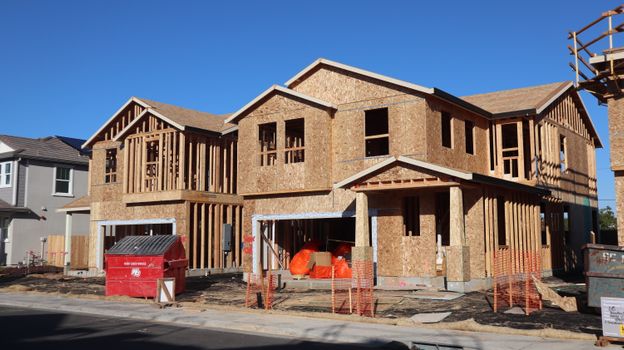 Photo: D Goug / Pexels
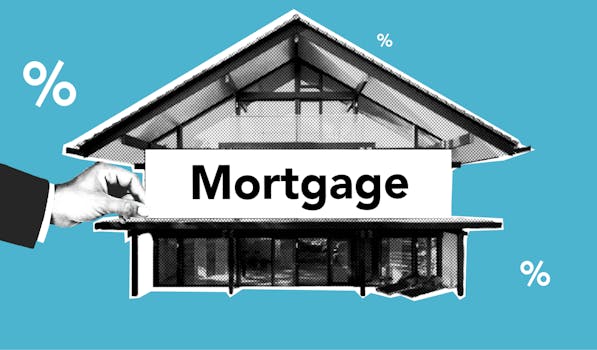 Photo: Monstera Production / Pexels
 Photo: Robert So / Pexels
 Photo: Kampus Production / Pexels