Unlocking Opportunities: Commercial Real Estate California
June 19, 2026 15 min read 2,943 words
Navigate the dynamic commercial real estate landscape of California with expert insights and strategic guidance.
Explore Opportunities
Understanding the California Commercial Property Landscape
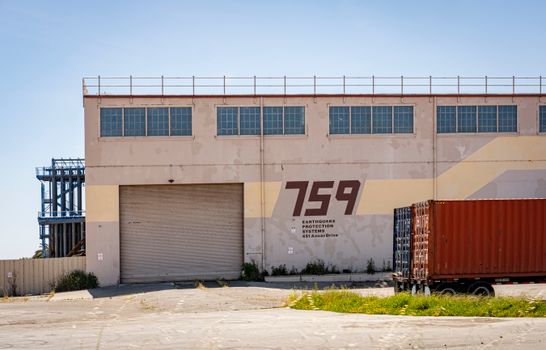
Photo: Corentin Jacquemaire / Pexels
California's commercial real estate market is a behemoth, unparalleled in its diversity, scale, and influence on national and global economies. From the bustling tech hubs of Silicon Valley and San Francisco to the entertainment industry's stronghold in Los Angeles, and the burgeoning logistics centers around major ports, the state offers a vast array of opportunities and challenges for investors, developers, and businesses alike. This dynamic environment is shaped by several key factors: a robust and diverse economy, a large and growing population, continuous innovation, and its strategic position as a gateway to the Asia-Pacific market. Understanding these foundational elements is crucial for anyone looking to enter or expand within commercial real estate California. The state's economy, valued at over $3.6 trillion, is larger than many countries, driven by leading sectors such as technology, agriculture, entertainment, manufacturing, and international trade. This economic strength translates directly into demand for various commercial property types. Tech companies, for instance, fuel the need for cutting-edge office spaces and R&D facilities, particularly in the Bay Area. The rise of e-commerce has put immense pressure on the industrial sector, creating a voracious appetite for warehouses, distribution centers, and logistics facilities, especially in the Inland Empire and near major ports like Los Angeles and Long Beach. Meanwhile, California's significant population growth and diverse demographics underpin demand for retail spaces, multi-family housing, and hospitality properties across its numerous metropolitan areas and tourist destinations. However, this vibrant market also comes with its complexities. High land costs, stringent regulatory environments, and a persistent housing shortage are significant considerations that impact development and investment strategies. Navigating these factors requires local expertise, a deep understanding of market nuances, and a forward-thinking approach. Investors must not only assess current market conditions but also anticipate future trends, such as the increasing emphasis on sustainability, the impact of remote work on office demand, and evolving consumer behaviors affecting retail. The sheer scale and regional variations within California mean that what applies to one market, such as San Diego’s biotech cluster, might be entirely different from the dynamics in Sacramento’s government-centric market or the agricultural heartland of the Central Valley. Therefore, a granular approach to market analysis is not just beneficial but essential for success in
California's real estate market. This involves looking beyond state-level statistics to understand the micro-market conditions that drive property values and rental rates in specific cities and submarkets. The state's commercial real estate landscape is not monolithic; it is a tapestry of distinct local economies, each with its own rhythm and opportunities. For example, while office vacancies might be high in some urban cores post-pandemic, demand for suburban office parks or specialized R&D facilities could remain robust. Similarly, while traditional retail faces headwinds, experiential retail or essential service-oriented centers continue to perform well. This diverse and often contrasting performance across property types and geographies underscores the importance of targeted strategies and a nuanced understanding of the forces at play in commercial real estate California.
Key Sectors and Investment Opportunities in CA Commercial Real Estate
Delving deeper into the specific sectors of commercial real estate in California reveals a landscape rich with varied investment opportunities, each with its own risk-reward profile and market drivers. Understanding these sectors is paramount for strategic allocation of capital and maximizing returns. The office sector, while facing significant shifts due to remote and hybrid work models, remains a cornerstone of the California economy, particularly in tech and finance hubs. Class A office spaces in prime locations, especially those offering amenities that foster collaboration and employee well-being, continue to attract tenants. However, older, less amenitized buildings are struggling, prompting a wave of conversions to residential or other uses. Investors are increasingly focusing on flight-to-quality trends and properties that can adapt to evolving tenant demands for flexibility and sustainability. The industrial sector is arguably the hottest segment in commercial real estate California. Fuelled by the insatiable growth of e-commerce, global supply chain demands, and the state's critical port infrastructure, industrial properties – including warehouses, distribution centers, and manufacturing facilities – are experiencing unprecedented demand and record-low vacancy rates. The Inland Empire, with its strategic location for logistics, continues to be a global hotspot for industrial development. Investment in this sector often involves large-scale developments, last-mile delivery facilities, and cold storage, reflecting the specialized needs of modern supply chains. The retail sector in California is undergoing a significant transformation, moving away from traditional models towards experiential retail, mixed-use developments, and essential services. While some big-box retailers and enclosed malls face challenges, neighborhood shopping centers anchored by grocery stores, pharmacies, and service-oriented businesses are performing robustly. Urban retail spaces in high-foot-traffic areas, particularly those catering to tourism or local dining scenes, also present strong opportunities. Investors are looking for properties that can adapt to changing consumer preferences, offer omnichannel capabilities, and integrate seamlessly into community life. Multi-family housing, encompassing apartments, condominiums, and other residential rental properties, remains a perennially strong investment in California due to the state's persistent housing shortage and high population growth. Despite rent control measures in some areas, the fundamental demand for housing continues to outstrip supply, particularly in major metropolitan areas. This sector offers stable income streams and long-term appreciation potential, making it attractive to a wide range of investors, from institutional funds to individual owners. Opportunities exist in new construction, value-add renovations, and affordable housing initiatives, often supported by various state and local programs. Beyond these primary sectors, specialized niches within California's commercial real estate market also present compelling opportunities. Healthcare properties, including medical office buildings and specialized clinics, are benefiting from an aging population and advancements in medical technology. Data centers, driven by the digital economy and cloud computing, are seeing explosive growth, particularly in areas with reliable power infrastructure. Life sciences properties, clustered around major research institutions in areas like San Diego and the Bay Area, are in high demand due to the booming biotech and pharmaceutical industries. Each of these sectors requires a specialized understanding of their unique operational requirements, tenant profiles, and regulatory landscapes. Successful investment in commercial real estate California hinges on a comprehensive analysis of these diverse sectors, identifying those that align with an investor's risk tolerance, capital resources, and long-term objectives. The key is to recognize that California's market is not a single entity, but a collection of highly specialized and interconnected sub-markets, each with its own distinct opportunities and challenges.
Navigating Regulations and Market Dynamics in Commercial Real Estate California
Investing in commercial real estate California requires more than just capital; it demands a sophisticated understanding of the state's complex regulatory environment and its unique market dynamics. California is renowned for its stringent building codes, environmental regulations, and land-use policies, all of which can significantly impact development timelines, costs, and project feasibility. Environmental reviews under the California Environmental Quality Act (CEQA) can be lengthy and costly, often requiring extensive studies and public comment periods. Zoning ordinances vary widely by municipality and can dictate everything from building height and density to permitted uses and parking requirements. Navigating this labyrinth of regulations necessitates experienced legal counsel, local planning expertise, and a proactive approach to due diligence. Understanding the local political landscape and community sentiment is also crucial, as public opposition can delay or even derail projects. Beyond regulations, California's market dynamics are influenced by its unique economic drivers and social trends. The tech industry, while a powerful engine of growth, can also introduce volatility. Rapid expansion can lead to intense competition for space and escalating rents, while downturns can result in increased vacancies. The state's progressive policies on sustainability and energy efficiency are increasingly shaping commercial property development, with a growing demand for LEED-certified buildings and properties equipped with renewable energy sources. Investors and developers who embrace these trends and integrate sustainable practices into their projects can gain a competitive advantage and appeal to a broader base of environmentally conscious tenants and capital sources. Labor dynamics also play a significant role. California's high cost of living and strong labor protections can impact operational costs for businesses, which in turn influences their decisions on where to locate and how much space they require. Understanding the availability of skilled labor for various industries is critical, as it directly affects the demand for specialized commercial spaces, such as R&D labs or advanced manufacturing facilities. Furthermore, the state's vulnerability to natural disasters, including earthquakes, wildfires, and droughts, adds another layer of complexity. While these risks are inherent to the region, robust risk assessment, appropriate insurance, and resilient building design are essential considerations for any commercial real estate investment. The ongoing evolution of work models, particularly the shift towards hybrid work, continues to reshape demand for office space. While some companies are downsizing their physical footprints, others are investing in higher-quality, amenity-rich spaces to attract and retain talent. This nuanced demand requires flexibility and creativity from landlords and developers. Similarly, the retail sector is constantly adapting to e-commerce and changing consumer preferences, necessitating properties that offer unique experiences or cater to essential services. Successful navigation of commercial real estate California thus involves a blend of financial acumen, regulatory expertise, and an acute awareness of socio-economic and environmental trends. It requires a long-term perspective and a willingness to adapt to a constantly evolving market. Engaging with local experts – brokers, lawyers, planners, and community leaders – is not just advisable but often indispensable for successful project execution and investment realization. The intricacies of this market underscore why a generalized approach often fails; success is found in detailed, localized strategies and a deep understanding of the forces shaping each specific sub-market within the Golden State. For further insights into broader real estate trends, explore our resources on
real estate investment strategies.
Strategic Tips for Investing in Commercial Real Estate California

Investing in commercial real estate California offers immense potential for growth and returns, but it's a market that rewards strategic thinking and meticulous planning. Here are some essential tips to guide your investment journey:
* **Focus on Submarket Specialization:** California is too vast and diverse for a one-size-fits-all approach. Identify specific submarkets – like the life science cluster in San Diego, the industrial hubs of the Inland Empire, or niche retail corridors in Orange County – that align with your investment thesis. Deeply understand the local economic drivers, demographics, and competitive landscape of your chosen submarket.
* **Prioritize Due Diligence:** Given California's complex regulatory environment, thorough due diligence is non-negotiable. This includes comprehensive financial analysis, environmental assessments (e.g., CEQA compliance), zoning reviews, and structural inspections. Engage experienced local legal counsel and property inspectors to uncover any potential liabilities or regulatory hurdles.
* **Understand Local Politics and Community Sentiment:** Local government policies and community preferences can significantly impact development and property values. Stay informed about local elections, planning commission meetings, and community initiatives. Building relationships with local stakeholders can be invaluable for navigating projects smoothly.
* **Embrace Sustainability and Technology:** California is a leader in environmental initiatives. Properties that incorporate sustainable features (e.g., solar panels, energy-efficient systems, water conservation) and smart building technologies often command higher rents, attract desirable tenants, and may qualify for incentives. Future-proofing your investment with green credentials is a smart move.
* **Diversify Property Types and Locations:** To mitigate risk, consider diversifying your portfolio across different property types (e.g., a mix of industrial, multi-family, or specialized retail) or across different regions within California. This can buffer against downturns in a single sector or market.
* **Build a Strong Local Network:** Connect with experienced commercial real estate brokers, developers, lenders, property managers, and attorneys who have deep roots and expertise in the specific California markets you're targeting. Their local knowledge and connections are invaluable.
* **Stay Informed on Economic and Demographic Trends:** Keep a close eye on California's economic indicators, job growth, population shifts, and industry trends (e.g., tech growth, tourism recovery). These macro trends directly influence demand for commercial space and future property values.
* **Plan for Long-Term Value Creation:** While short-term gains are possible, California's commercial real estate market often rewards patient investors who focus on long-term value creation through strategic asset management, capital improvements, and proactive tenant retention. Consider value-add opportunities where you can enhance a property's appeal and functionality.
By adhering to these strategic tips, investors can better position themselves for success and navigate the complexities of the commercial real estate California market effectively.