✓ California's median home price consistently exceeds national averages.
✓ Interest rates, inventory levels, and economic indicators are primary drivers of market shifts.
✓ Affordability remains a significant challenge, particularly for first-time homebuyers.
✓ Regional variations are substantial, with coastal markets often outperforming inland areas.
How It Works
1
Understand Macroeconomic Influences
Analyze how factors like interest rates, inflation, and job growth impact the broader California economy and, by extension, its housing market. These overarching forces set the stage for local real estate dynamics.
2
Monitor Local Market Data
Dive into specific county and city data, focusing on median sales prices, days on market, inventory levels, and sales volume. Local trends often diverge significantly from statewide averages, requiring granular analysis.
3
Assess Affordability & Demand
Evaluate the interplay between rising home prices, mortgage rates, and household incomes to gauge affordability. High demand coupled with low inventory often drives price appreciation, while stagnant wages can temper it.
4
Consult with Local Experts
Engage with experienced local real estate agents, mortgage brokers, and financial advisors who possess intimate knowledge of specific neighborhoods and can provide tailored insights and strategic advice.
Understanding California's Dynamic Housing Market
Photo: Stephen Leonardi / Pexels
California's real estate market is a behemoth, a complex ecosystem shaped by a unique blend of economic, demographic, and geographical factors. Unlike many other states, the Golden State consistently operates at the forefront of national housing discussions, often setting precedents or exhibiting exaggerated versions of broader trends. For anyone looking to buy, sell, or invest in California, comprehending these overarching california real estate market trends is not merely beneficial; it's absolutely essential. The market's resilience, even in the face of economic headwinds, is often attributed to its robust job market, particularly in tech and innovation, its desirable climate, and a persistent housing supply shortage. However, this resilience comes with a significant caveat: extreme unaffordability, which continues to be a defining characteristic. Over the past few years, we've witnessed a rollercoaster ride, from the pandemic-fueled buying frenzy that saw bidding wars become the norm and prices skyrocket, to a subsequent cooling period influenced by rising interest rates and economic uncertainties. Yet, even in a 'cooling' market, California's median home price remains substantially higher than the national average, a testament to the enduring demand. This section will delve into the foundational elements that drive these dynamics, offering a comprehensive overview of what makes California's market tick. We'll explore how factors such as population growth, migration patterns, and the state's stringent building regulations contribute to the perennial supply-demand imbalance. Furthermore, we'll examine the impact of remote work, which initially fueled a migration from dense urban centers to more suburban and exurban areas, altering demand patterns in unexpected ways. While some predicted a mass exodus from California due to high costs, data suggests a more nuanced picture, with certain regions experiencing outbound migration while others continue to attract new residents and investment. Understanding these underlying currents is the first step in navigating California's intricate housing landscape, whether you're a first-time homebuyer or a seasoned investor. Explore more about real estate investment strategies in California to leverage these insights effectively. The sheer size and diversity of California also mean that 'the market' is not a monolith. Trends in San Francisco or Los Angeles can differ vastly from those in the Central Valley or Inland Empire. Therefore, a granular understanding, moving beyond statewide averages to regional and even neighborhood-specific data, is crucial for making informed decisions. This foundational knowledge will serve as a compass for the subsequent discussions on current conditions and future forecasts.
Current Conditions: Interest Rates, Inventory, and Prices
Photo: Deane Bayas / Pexels
The current state of california real estate market trends is largely defined by the interplay of three critical factors: interest rates, housing inventory, and median home prices. These elements are in constant flux, creating a dynamic environment that requires continuous monitoring. Following a period of historically low interest rates that fueled aggressive buyer activity, the Federal Reserve's aggressive rate hikes have significantly impacted affordability and buyer sentiment. Higher mortgage rates translate directly into higher monthly payments, effectively reducing purchasing power for many prospective buyers. This shift has led to a noticeable slowdown in sales volume compared to the peak pandemic years, as some buyers are priced out or choose to wait for more favorable conditions. However, despite the dip in sales, home prices have shown remarkable resilience. While the rapid appreciation seen in 2020-2022 has largely tapered off, significant price corrections across the state have been less widespread than some predicted. Instead, many areas have experienced a flattening or slight decrease in median prices, rather than a dramatic crash. This resilience is often attributed to the persistent lack of housing inventory. California has been grappling with a severe housing supply shortage for decades, a problem that continues to underpin its high property values. Even with reduced buyer demand due to higher rates, the number of homes available for sale remains historically low in many key markets. This imbalance means that even a moderate level of buyer interest can quickly absorb available listings, preventing significant price declines. The 'lock-in effect' is another phenomenon currently influencing inventory. Many existing homeowners, having secured ultra-low mortgage rates during the pandemic, are reluctant to sell and move, as doing so would mean taking on a new mortgage at a much higher rate. This reluctance further constrains supply, perpetuating the inventory crunch. Geographically, the impact of these factors varies. Coastal markets, with their inherent desirability and limited developable land, often see prices hold steadier, even in a challenging environment. Conversely, some inland areas that saw rapid price growth during the remote work boom might experience more pronounced adjustments. Understanding these current conditions is vital for both buyers and sellers. Buyers must factor in higher borrowing costs and potentially longer search times due to limited options, while sellers need to adjust their expectations from the frenzied market of yesteryear to a more balanced, albeit still competitive, landscape. The market is not stagnant; it's a living entity responding to economic signals and human behavior. Keeping a close eye on the Federal Reserve's actions, local inventory reports, and median price movements will provide the clearest picture of where the market stands today.
Regional Spotlights: North vs. South, Coastal vs. Inland Trends
Photo: Joel Martinez / Pexels
California's vastness means that 'california real estate market trends' is a broad generalization that requires a deeper dive into its diverse regions. The market is not monolithic; a thriving tech hub in Northern California can experience vastly different dynamics than an agricultural community in the Central Valley or a sprawling metropolis in Southern California. These regional variations are crucial for anyone seeking to understand or engage with the state's housing market. Let's start with the perennial divide: Northern vs. Southern California. Northern California, particularly the Bay Area, is synonymous with high-tech innovation, leading to some of the nation's most expensive real estate. Cities like San Francisco, San Jose, and surrounding areas often see median home prices that are double or triple the state average. This region is heavily influenced by the tech industry's performance, stock market fluctuations, and international investment. Despite recent tech layoffs, the underlying demand from high-income earners and a severe housing shortage continues to prop up values. Meanwhile, Southern California, encompassing Los Angeles, Orange County, San Diego, and the Inland Empire, presents a different set of dynamics. Los Angeles and Orange County are diverse economic powerhouses, with entertainment, tourism, and various industries driving demand. San Diego offers a unique blend of military presence, biotech, and tourism. These coastal Southern California markets share the Bay Area's challenges of limited supply and high desirability, leading to similarly elevated prices. The Inland Empire (Riverside and San Bernardino counties), on the other hand, often serves as a more affordable alternative for those priced out of coastal areas, offering larger homes and more land. This region saw significant appreciation during the pandemic as remote workers sought more space, but it may also be more susceptible to price adjustments if economic conditions tighten. Beyond this north-south divide, the distinction between coastal and inland markets is equally important. Coastal areas, from Eureka down to San Diego, benefit from ocean proximity, desirable climates, and limited developable land, consistently commanding premium prices. These markets often exhibit greater stability during downturns but also higher barriers to entry. Inland regions, including the Central Valley and parts of the High Desert, generally offer more affordable housing options. These areas are often driven by agricultural economies, logistics, and manufacturing, and can be more sensitive to changes in employment rates and economic shifts. They tend to have higher inventory levels and can experience more volatile price swings. Understanding these regional nuances is paramount. A statewide forecast might indicate a modest appreciation, but a specific coastal city could be seeing robust bidding wars, while an inland community experiences a slight softening. For investors, identifying these disparities can uncover unique opportunities, while for homebuyers, it's about finding the right balance of affordability, lifestyle, and market stability within their chosen region. Discover insights into different California cities for real estate investment to tailor your strategy effectively.
Future Outlook and Key Considerations for Buyers and Sellers
Photo: D Goug / Pexels
Peering into the future of california real estate market trends requires a careful analysis of various indicators and an acknowledgment of inherent uncertainties. While no one has a crystal ball, several factors will likely shape the market's trajectory in the coming years. One of the most significant influences will be the trajectory of interest rates. If inflation continues to cool, the Federal Reserve may eventually consider rate cuts, which could re-energize buyer demand by improving affordability. Conversely, persistent inflation could lead to continued high rates, keeping pressure on sales volume. The ongoing supply shortage will remain a foundational challenge. Despite efforts to streamline permitting and encourage development, California's housing deficit is deep-seated. Until supply significantly increases to meet demand, upward pressure on prices will persist, even if the pace of appreciation slows. Economic growth, particularly in California's key tech and innovation sectors, will also play a crucial role. A robust job market attracts new residents and high-income earners, sustaining demand. However, any significant economic slowdown or widespread layoffs could temper buyer enthusiasm. For buyers, the future outlook suggests a potentially more balanced market than the frenzied peaks of previous years, but still a competitive one.
**Key Considerations for Buyers:**
* **Affordability remains paramount:** Be realistic about your budget and consider areas slightly outside traditional hotspots for better value.
* **Interest rate sensitivity:** Lock in rates when possible and understand that even small fluctuations can impact your monthly payment.
* **Long-term perspective:** Real estate in California has historically been a strong long-term investment, so focus on your personal timeline rather than short-term market fluctuations.
* **Due diligence:** With fewer bidding wars, take the time for thorough inspections and contingency removals.
For sellers, the market has shifted from one where almost any listing received multiple offers to one that requires more strategic pricing and presentation.
**Key Considerations for Sellers:**
* **Realistic pricing:** Overpricing in the current market can lead to longer days on market and eventual price reductions.
* **Presentation matters:** High-quality staging, photography, and marketing are more crucial than ever to stand out.
* **Flexibility:** Be prepared to negotiate on price, contingencies, and closing dates.
* **Timing:** While you can't perfectly time the market, understanding local inventory levels and seasonal trends can inform your listing strategy.
Demographic shifts, such as the aging population and migration patterns, will also influence demand for different housing types and locations. The rise of single-person households and a preference for walkable communities could drive demand for urban infill properties, while families may continue to seek suburban homes with good schools. Overall, the California real estate market is expected to remain resilient due to its strong economic fundamentals and persistent supply-demand imbalance. However, the days of rapid, unchecked appreciation may be behind us for a while, ushering in a more sustainable, albeit still challenging, environment for both buyers and sellers. Adaptability and informed decision-making will be key to success.
Comparison
Feature
Coastal Metro (e.g., SF, LA)
Inland Empire (e.g., Riverside)
Central Valley (e.g., Fresno)
Median Home Price
Very High
High
Moderate
Price Appreciation (Past 5 years)
Strong
Very Strong
Strong
Inventory Levels
Very Low
Low
Moderate
Affordability Index
✗
✗
✓
Job Market Strength
Excellent
Good
Moderate
What Readers Say
★★★★★
"This guide on California real estate market trends was incredibly helpful. It clarified the impact of interest rates on Bay Area properties, helping me understand why my home search was so competitive despite the headlines."
Sarah Chen · San Jose, CA
★★★★★
"As a first-time buyer in the Inland Empire, I was overwhelmed. This article broke down the specific trends for my region, giving me the confidence to make an offer. Truly invaluable information."
Mark Rodriguez · Riverside, CA
★★★★★
"The insights on coastal vs. inland trends were spot-on. We were debating between San Diego and a more inland location, and this article helped us confirm our decision to invest in a coastal property, which has already seen appreciation."
Jessica Lee · San Diego, CA
★★★★★
"Good overview, though I wish there was a bit more on specific investment opportunities in the Central Valley. Still, the general california real estate market trends analysis was comprehensive and well-researched."
David Kim · Sacramento, CA
★★★★★
"Selling our condo in a shifting market felt daunting. This guide's advice on realistic pricing and presentation directly led to us selling our property faster than expected, despite the challenging California real estate market trends."
Emily Watson · Los Angeles, CA
Frequently Asked Questions
What are the primary factors influencing California real estate market trends right now?
Currently, the California real estate market is primarily influenced by higher interest rates, which impact buyer affordability; persistent low housing inventory, which props up prices; and a resilient, albeit sometimes fluctuating, job market. Economic uncertainty and inflation also play significant roles in consumer confidence and investment decisions.
Is now a good time to buy a home in California?
The answer depends heavily on your individual financial situation, location, and long-term goals. While higher interest rates mean increased borrowing costs, the market is less frenzied than previous years, potentially offering more negotiation room. For long-term investors, California real estate has historically proven to be a strong asset, but affordability remains a key challenge for many.
How do interest rates specifically affect California home prices?
Higher interest rates directly increase the monthly cost of a mortgage, reducing a buyer's purchasing power and making homes less affordable. This can lead to a decrease in buyer demand, which typically moderates price appreciation or, in some cases, causes slight price adjustments. However, in California, low inventory often prevents dramatic price drops even with higher rates.
What is the typical cost of a home in California compared to the national average?
California's median home price consistently sits significantly higher than the national average. While national median prices fluctuate, California's are often double or even triple, particularly in coastal metropolitan areas. This disparity is due to high demand, limited supply, strong economic fundamentals, and desirable lifestyle factors.
How do California real estate market trends differ between coastal and inland regions?
Coastal regions (e.g., Bay Area, LA, San Diego) typically have higher median prices, lower inventory, and greater price stability due to desirability and limited land. Inland regions (e.g., Central Valley, Inland Empire) generally offer more affordable housing, larger properties, and can experience more volatile price swings, often seeing faster appreciation during booms and more significant adjustments during downturns.
Who benefits most from understanding California real estate market trends?
Anyone involved in the California housing market benefits: first-time homebuyers navigating affordability challenges, move-up buyers strategizing their next purchase, sellers aiming for optimal pricing, and real estate investors seeking profitable opportunities. Developers and policy-makers also rely on these trends to address housing supply and urban planning.
What are the risks associated with investing in California real estate currently?
Current risks include continued high interest rates impacting returns, potential economic downturns affecting job growth and demand, and the ongoing challenge of affordability limiting buyer pools. Over-leveraging and not conducting thorough due diligence in a complex market can also pose significant risks to investors.
What do experts predict for California real estate market trends in the next 5 years?
Experts generally predict continued resilience for California real estate, driven by persistent housing shortages and a strong economy. While rapid appreciation may slow, a significant market crash is not widely anticipated. Affordability will remain a challenge, and regional variations will continue. The long-term outlook remains positive for those who can navigate the high entry costs.
Understanding the intricate California real estate market trends is your strongest asset, whether buying, selling, or investing. Leverage these insights to make informed decisions and secure your future in the Golden State's dynamic housing landscape. Stay ahead of the curve and turn market intelligence into real estate success.
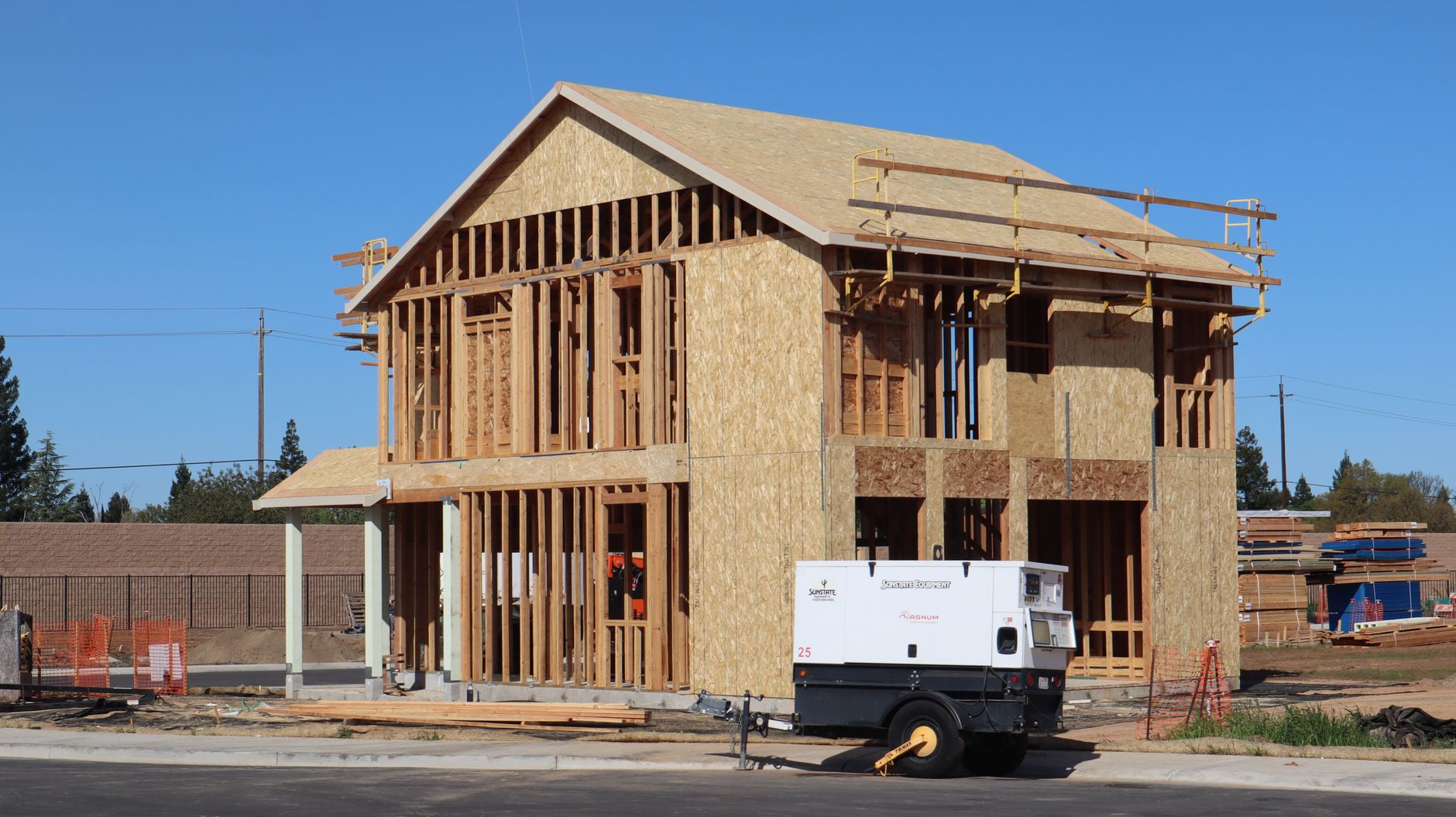
 Photo: Stephen Leonardi / Pexels
 Photo: Deane Bayas / Pexels
 Photo: Joel Martinez / Pexels
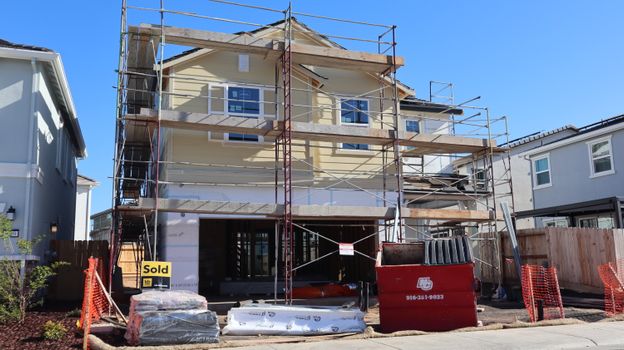 Photo: D Goug / Pexels