
Unpacking California Real Estate Market Trends for 2024 & Beyond

Unpacking California Real Estate Market Trends for 2024 & Beyond

Gain a comprehensive understanding of California's dynamic property landscape to secure your financial future.

Explore Opportunities Now

Key Takeaways

  • ✓ Median home prices in California remain significantly higher than the national average, driven by limited supply and strong demand.
  • ✓ Interest rate fluctuations are a primary factor influencing affordability and buyer activity across the state.
  • ✓ Regional disparities are pronounced, with coastal areas experiencing different dynamics than inland markets.
  • ✓ New construction remains a critical, yet challenging, component of addressing the state's housing shortage.

How It Works

1
Analyze Current Market Data

We delve into the latest statistics on median home prices, sales volume, and inventory levels. This provides a snapshot of the market's current health and direction.

2
Identify Key Influencing Factors

We examine economic indicators such as interest rates, employment figures, population growth, and state policies. These factors collectively shape the real estate landscape.

3
Forecast Future Trajectories

Based on historical patterns and current trends, we offer projections for various segments of the California market. This helps anticipate potential shifts and opportunities.

4
Provide Actionable Insights

Our analysis translates complex data into practical advice for buyers, sellers, and investors. This empowers you to make strategic decisions in a competitive environment.

Understanding California Housing Market Dynamics
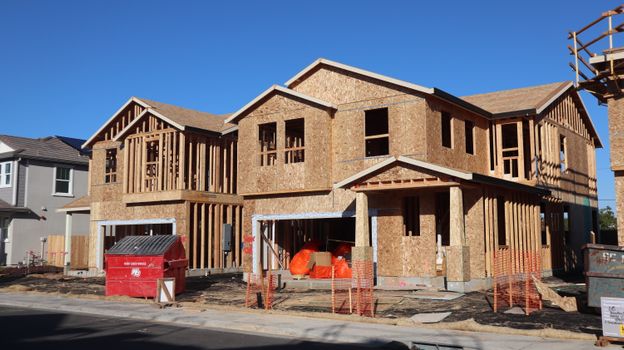
Wooden frames of new houses under construction in Elk Grove subdivision.Photo: D Goug / Pexels
California's housing market is a complex ecosystem, constantly evolving under the influence of various economic, demographic, and policy-driven forces. Unlike many other states, California consistently ranks among the most expensive places to buy a home, a trend that persists despite national fluctuations. This elevated cost is primarily attributed to a chronic shortage of housing supply relative to demand, particularly in desirable urban and coastal areas. The state's robust economy, fueled by tech, entertainment, and agriculture, attracts a continuous influx of high-income earners, further intensifying competition for available properties. Understanding these fundamental dynamics is the first step in navigating the California real estate landscape effectively. Explore local market trends to get a granular view. Recent data indicates a nuanced picture. While median home prices remain high, the rate of appreciation has moderated in some areas compared to the feverish pace observed during the pandemic. Interest rates, dictated by the Federal Reserve's monetary policy, play a pivotal role. Higher rates reduce purchasing power, potentially cooling demand, especially for first-time buyers or those seeking larger mortgages. Conversely, a dip in rates can re-energize the market, spurring bidding wars once again. Inventory levels are another critical metric. A low supply of homes for sale typically drives prices up, while an increase in inventory can give buyers more leverage. However, California's inventory has consistently struggled to meet demand, leading to sustained upward pressure on prices over the long term. Demographic shifts also contribute significantly. The aging population, combined with a desire for more space in the post-pandemic era, influences demand for different types of housing. While some residents are migrating out of state due to affordability concerns, others are moving within California, seeking more affordable inland options or specific lifestyle amenities. This internal migration creates localized hot spots and areas of slower growth. Furthermore, state and local government policies regarding zoning, permits, and new construction have a profound impact. Efforts to streamline development processes and incentivize affordable housing projects are underway, but their effects are often slow to materialize. Investors, too, play a substantial role, with both institutional and individual buyers seeking opportunities in a market historically known for its strong appreciation. Understanding this interplay of factors is crucial for anyone looking to buy, sell, or invest in California real estate. The market is not monolithic; rather, it's a collection of micro-markets, each with its unique characteristics and drivers.

Key Factors Shaping CA Property Values

Several intertwined factors exert significant influence over California property values, creating a dynamic and often unpredictable environment for homeowners, buyers, and investors. The most immediate and impactful factor in recent times has been interest rates. As the Federal Reserve adjusted its policies to combat inflation, mortgage rates climbed, directly impacting affordability. A higher interest rate means a higher monthly mortgage payment for the same loan amount, effectively reducing the purchasing power of potential buyers. This can lead to a slowdown in sales volume and, in some cases, a stabilization or even slight dip in home prices as buyers become more hesitant or priced out. Conversely, any indication of declining rates can rapidly reignite buyer enthusiasm, leading to increased competition and upward price pressure. Economic health and employment figures are also crucial. California boasts one of the largest and most diverse economies in the world, with strong sectors in technology, entertainment, agriculture, and tourism. Robust job growth, particularly in high-paying sectors, translates directly into a larger pool of qualified buyers with disposable income. When the economy is strong and employment is high, consumer confidence rises, making people more willing to invest in real estate. Conversely, economic downturns or job losses can dampen demand and put downward pressure on prices. The tech sector, in particular, has a disproportionate impact on coastal California markets, with its boom and bust cycles directly affecting housing demand and pricing. Population growth and migration patterns are another fundamental driver. While California has experienced some out-migration in recent years due to high costs of living, it continues to attract new residents, both domestically and internationally, drawn by its economic opportunities and lifestyle. This sustained demand, coupled with persistent housing supply shortages, acts as a powerful upward force on property values. Furthermore, internal migration within California, with residents moving from expensive coastal cities to more affordable inland areas, creates localized demand surges and price increases in those regions. Zoning regulations and the pace of new construction are critical, yet often overlooked, factors. Strict zoning laws and lengthy permitting processes in many California municipalities limit the development of new housing units, exacerbating the supply shortage. Even with a strong desire to build more, the bureaucratic hurdles and high construction costs make it challenging to bring new inventory to market at a pace that can truly alleviate demand. This fundamental imbalance between supply and demand is perhaps the most enduring characteristic of the California real estate market, underpinning its high property values and competitive nature. Understanding these complex interactions is essential for predicting future trends and making strategic real estate decisions in the Golden State.

Regional Spotlights: Diverse Real Estate Landscapes Across California

California's vast and varied geography means that discussing a single 'California real estate market' often oversimplifies the intricate dynamics at play. The state is, in essence, a collection of distinct regional markets, each with its own unique drivers, challenges, and opportunities. Understanding these regional disparities is paramount for any buyer, seller, or investor. For instance, the San Francisco Bay Area, particularly Silicon Valley, continues to be characterized by exceptionally high home prices and intense competition, largely driven by the tech industry's high salaries and a critical housing shortage. Despite some recent moderation in growth, especially as remote work has offered some flexibility, demand for prime properties remains robust. Inventory here is persistently low, and bidding wars are not uncommon for well-priced homes, especially those in top-tier school districts. The challenges of affordability are acute, pushing many to consider longer commutes or relocation to more distant suburbs. Moving south, the Southern California market, encompassing Los Angeles, Orange County, and San Diego, presents a slightly different picture. While equally expensive, these markets benefit from a broader economic base, including entertainment, tourism, and a diverse range of industries. Los Angeles, for example, sees strong demand across its sprawling metropolitan area, from luxury estates in Beverly Hills to more accessible condos in the Valley. Orange County consistently ranks among the most desirable and expensive places to live, with limited new construction and strong buyer interest. San Diego, with its appealing climate and growing biotech sector, maintains a competitive market, though it has seen some cooling in sales volume as interest rates impacted affordability. Dive into specific city trends to see how micro-markets are performing. Inland Empire, including Riverside and San Bernardino counties, offers a more affordable alternative to coastal Southern California. This region has experienced significant population growth and home price appreciation as buyers seek more space and lower costs. The housing market here is often driven by commuters to coastal job centers and a growing local economy. However, it's also more susceptible to interest rate fluctuations as buyers often rely on larger mortgages. The Central Valley, with cities like Sacramento, Fresno, and Bakersfield, represents another distinct market. Historically more affordable, these areas have seen substantial interest from buyers migrating from the Bay Area and Southern California, leading to significant price increases in recent years. While still offering better value than coastal markets, the days of extremely low prices are largely in the past. Economic drivers here include agriculture, state government (in Sacramento), and logistics. Finally, the more rural and remote areas of California, such as the Sierra Nevada foothills or parts of Northern California, present unique opportunities for those seeking a different lifestyle or investment in vacation properties. These markets are often less liquid and more susceptible to seasonal variations and local economic factors. Each region of California requires a tailored approach, as what holds true for one market may not apply to another.

Strategic Advice for Navigating California's Competitive Market

Navigating the California real estate market, whether as a buyer, seller, or investor, requires a strategic and informed approach. The state's competitive nature, high prices, and dynamic trends mean that rash decisions can be costly. For prospective buyers, the first and most critical step is thorough financial preparation. This means not only understanding your budget but getting pre-approved for a mortgage. A pre-approval letter demonstrates to sellers that you are a serious and qualified buyer, which can be a significant advantage in multiple-offer situations. Be realistic about what you can afford and consider exploring different neighborhoods or even regions within California that align with your budget and lifestyle. Don't be afraid to look at areas you might not have initially considered; often, the best opportunities lie just outside the most sought-after locales. Patience is also key; finding the right home in California often takes time, and being prepared to act swiftly when the right property emerges is crucial. For sellers, understanding the current market value of your home is paramount. While online estimators can provide a starting point, a professional appraisal or a comparative market analysis (CMA) from an experienced local real estate agent will give you the most accurate pricing strategy. In a competitive market, presentation matters immensely. Investing in minor repairs, decluttering, staging, and professional photography can significantly increase buyer interest and potentially drive up your selling price. Be prepared for negotiations, and work with your agent to understand the current buyer pool and their typical offers. Pricing your home correctly from the outset can avoid it sitting on the market too long, which can lead to price reductions. Investors eyeing California's market should conduct extensive due diligence. While the state offers strong potential for appreciation, the high entry costs mean that rental yields can be lower than in other parts of the country. Focus on areas with strong job growth, good schools, and amenities that attract long-term renters. Consider different investment strategies, such as multi-family units, vacation rentals in tourist-heavy areas, or even exploring commercial real estate opportunities. Understanding local landlord-tenant laws and potential rent control regulations is also vital. **Tips for Success:** * **Work with Local Experts:** A knowledgeable real estate agent with deep local market insights is invaluable. * **Stay Informed:** Continuously monitor interest rate forecasts, economic news, and local market reports. * **Be Flexible:** Be open to compromising on certain features or locations to align with your budget. * **Plan Long-Term:** Real estate in California is often a long-term investment; don't expect quick gains. * **Understand the 'Why':** Why are you buying, selling, or investing? Your goals should drive your strategy. By adopting a well-researched and adaptable strategy, you can successfully navigate the complexities of California's real estate market and achieve your property goals.

Comparison

FeatureCoastal CA MarketsInland CA MarketsCentral Valley CA Markets
Median Home PriceVery HighHighModerate-High
Price Appreciation (last 5 yrs)Strong, but volatileStrong, consistentSignificant growth
Inventory LevelsExtremely LowLowModerate
AffordabilityVery LowLow-ModerateModerate
Economic DriversTech, Entertainment, TourismDiverse, Commuter-drivenAgriculture, Logistics, State Govt.
CompetitionFierceHighModerate-High

What Our Readers Say

5 ★★★★★

"The insights on California real estate market trends were incredibly helpful. It clarified why Bay Area prices are so high and helped me set realistic expectations for buying."

5 ★★★★★

"As a seller, understanding the regional differences was key. This article guided me in pricing my property competitively in the current Southern California market."

5 ★★★★★

"I used the strategic advice to navigate my first home purchase in the Central Valley. The guidance on pre-approval and patience led to securing a great deal."

4 ★★★★☆

"While the overall analysis of California real estate market trends was excellent, I wished for more specific data points for Orange County. Still, a very valuable resource."

5 ★★★★★

"This article provided a comprehensive overview of the market's complexities, which is essential for any investor. It helped me refine my investment strategy significantly."

Frequently Asked Questions

What are the primary drivers of California real estate market trends?
The primary drivers are a persistent housing supply shortage, strong economic growth attracting high-income earners, fluctuating interest rates impacting affordability, and strict zoning regulations limiting new construction. These factors collectively contribute to the state's high property values and competitive market conditions, with regional variations across California.
Is now a good time to buy real estate in California?
Whether it's a good time to buy depends on individual financial situations, local market conditions, and long-term goals. While prices remain high, a slight moderation in appreciation rates in some areas, coupled with potential future interest rate shifts, could present opportunities. Consulting with a local real estate professional is highly recommended to assess your specific situation.
How do interest rates impact California home prices?
Interest rates directly impact affordability by increasing or decreasing monthly mortgage payments. Higher rates reduce buyer purchasing power, potentially cooling demand and sales volume, and can lead to price stabilization or minor dips. Conversely, lower rates can stimulate demand, increasing competition and driving prices upward, making them a critical factor in California real estate market trends.
What is the average home price in California?
The average home price in California consistently fluctuates and varies significantly by region. While specific numbers change monthly, California's median home price is typically more than double the national average, often exceeding $800,000 for single-family homes, with coastal areas being substantially higher than inland regions.
How does California's real estate market compare to other states?
California's real estate market is significantly more expensive and competitive than most other states. It consistently features among the highest median home prices, driven by strong demand, limited supply, and a robust economy. While it offers strong potential for long-term appreciation, it also presents higher barriers to entry for buyers and can have lower rental yields for investors compared to other regions.
Who should closely follow California real estate market trends?
Anyone considering buying, selling, or investing in property within California should closely follow these trends. This includes first-time homebuyers, current homeowners looking to sell or refinance, seasoned real estate investors, and even renters who want to understand the broader housing landscape and potential future costs of living. Developers and policymakers also rely on these trends.
What are the risks associated with investing in California real estate?
Key risks include extremely high entry costs, potentially lower rental yields compared to other states, exposure to economic downturns (especially in tech-dependent areas), susceptibility to natural disasters (earthquakes, wildfires), and strict landlord-tenant regulations, including potential rent control. Thorough due diligence and a long-term investment horizon are crucial to mitigate these risks.
What are the future predictions for California real estate market trends?
Future predictions suggest a continued emphasis on affordability challenges, with demand likely to remain strong due to population growth and economic vitality. While rapid appreciation may moderate, a significant downturn is less likely given the persistent supply-demand imbalance. Interest rate movements and new housing policies will be critical in shaping the market's trajectory, with regional variations continuing to be pronounced.

Stay ahead in the competitive California real estate market. Leverage our expert insights into California real estate market trends to make informed decisions for your next property move. Connect with a local specialist today and turn market complexities into clear opportunities.

Topics: California real estate market trendsCalifornia housing marketCA property valuesreal estate investment California
Leo List
Brampton weed
Adultwork