
Mastering California Real Estate License Requirements
California real estate license requirements

Mastering California Real Estate License Requirements

Your definitive guide to navigating the path to becoming a licensed real estate professional in California.

Start Your Journey

Key Takeaways

  • ✓ Must be at least 18 years old.
  • ✓ Required to complete 135 hours of DRE-approved courses.
  • ✓ Successfully pass the state real estate exam.
  • ✓ Must be honest and truthful; background checks are mandatory.

How It Works

1
Meet Eligibility Criteria

Ensure you are at least 18 years old and possess a Social Security Number or ITIN. California also requires honesty and truthfulness, which is assessed through a background check.

2
Complete Pre-License Education

Enroll in and successfully complete 135 hours of DRE-approved real estate courses. This typically includes Real Estate Principles, Real Estate Practice, and one elective course.

3
Apply for the State Exam

After finishing your education, submit your application to the California Department of Real Estate (DRE) to take the state licensing exam. This involves submitting forms, certificates, and fees.

4
Pass the State Exam and Get Licensed

Study diligently and pass the rigorous California Real Estate Salesperson Examination. Upon passing, you can apply for your license, often requiring a sponsoring broker.

Understanding the Foundation: Eligibility for a CA DRE License
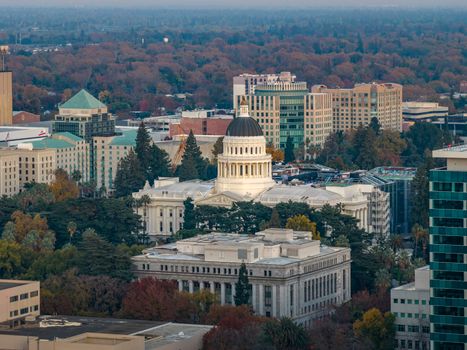
Stunning aerial view of the iconic California State Capitol in Sacramento surrounded by cityscape. Photo: Stephen Leonardi / Pexels
Embarking on a career in California real estate is an exciting prospect, offering unparalleled opportunities in one of the world's most dynamic markets. However, before you can dream of closing deals in Beverly Hills or Silicon Valley, you must first understand and meet the fundamental California real estate license requirements. The California Department of Real Estate (DRE) sets strict guidelines to ensure that all licensed professionals are competent, trustworthy, and prepared to serve the public effectively. The very first step involves ensuring you meet the basic eligibility criteria. First and foremost, you must be at least 18 years of age. This is a non-negotiable requirement, and there are no exceptions. While you can begin your pre-licensing education before turning 18, you cannot apply for the state examination or a license until you've reached this age milestone. Next, you must possess a Social Security Number (SSN) or an Individual Taxpayer Identification Number (ITIN). This is crucial for identification purposes and for the DRE to conduct necessary background checks. If you do not have an SSN, obtaining an ITIN is a viable alternative for the licensing process. Perhaps one of the most critical, yet often underestimated, requirements is the DRE's emphasis on honesty and truthfulness. Every applicant undergoes a thorough background check, which includes fingerprinting and a review of any criminal history. The DRE is not necessarily looking for a perfectly spotless record, but rather for a demonstration of honesty, integrity, and rehabilitation if past issues exist. Failure to disclose relevant information or providing false statements on your application can lead to immediate denial of your license, regardless of your qualifications. It's imperative to be completely transparent throughout the application process. Any past convictions, regardless of how minor they may seem or how long ago they occurred, must be disclosed. The DRE reviews these on a case-by-case basis, considering the nature of the crime, the time elapsed, and evidence of rehabilitation. Understanding these foundational eligibility criteria is paramount before investing time and resources into the educational and examination phases. It sets the stage for a smooth application process and avoids potential roadblocks down the line. For more information on the broader real estate industry, consider exploring our guide on the benefits of a career in real estate.

Navigating Pre-License Education: The 135-Hour Mandate

Student reading a book in a sunlit classroom in Buenos Aires. Perfect for educational themes. Photo: Alex Dos Santos / Pexels
Once you've confirmed your eligibility, the next significant hurdle in fulfilling the California real estate license requirements is completing the mandatory pre-license education. The DRE mandates a total of 135 hours of approved coursework, designed to equip aspiring agents with the foundational knowledge necessary to practice real estate competently and ethically. This education is typically broken down into three core courses, each carrying 45 hours of instruction. The first required course is 'Real Estate Principles.' This course introduces you to the fundamental concepts and terminology of real estate. It covers topics such as property rights, forms of ownership, legal descriptions, contracts, and agency relationships. It's essentially your primer to the language and basic framework of the real estate world. Understanding these principles is crucial, as they form the bedrock of almost every transaction you'll encounter. The second essential course is 'Real Estate Practice.' As the name suggests, this course delves into the practical aspects of working as a real estate agent. It covers everything from listing property, marketing, prospecting, negotiating offers, handling escrows, and understanding financing options. This course is designed to prepare you for the day-to-day activities and responsibilities of a real estate professional, offering insights into best practices and ethical considerations in client interactions. In addition to these two mandatory courses, you must complete one elective course, also 45 hours in length. The DRE offers several options for this elective, allowing you to tailor your education slightly to areas of interest. Common elective choices include 'Real Estate Finance,' which focuses on mortgages, loans, and investment strategies; 'Real Estate Appraisal,' which teaches you how to determine property value; 'Real Estate Economics,' exploring market trends and forces; or 'Property Management,' for those interested in that specific niche. Choosing an elective that aligns with your future career goals can provide a significant advantage. These courses can be taken through various DRE-approved providers, including online schools, community colleges, and private real estate academies. The flexibility of online learning has made it a popular choice, allowing students to complete their coursework at their own pace. Regardless of the format, ensure your chosen provider is officially approved by the California Department of Real Estate to ensure your hours count towards your license application. Successfully completing these 135 hours with passing grades is a critical step, as you cannot apply for the state exam without official certificates of completion.

Applying for and Conquering the California State Real Estate Exam

Two students in a classroom setting, focused on taking an exam with pencils in hand. Photo: Andy Barbour / Pexels
After diligently completing your 135 hours of pre-license education, the next major milestone in your journey to meeting California real estate license requirements is applying for and passing the rigorous state examination. This exam is designed to test your comprehensive understanding of real estate principles, practices, and laws, ensuring you are prepared to ethically and competently represent clients. The application process itself requires careful attention to detail. First, you must submit an 'Application for Real Estate Salesperson Examination' (RE 400A) to the DRE. This application must be accompanied by official certificates of completion for all three of your pre-license courses (Real Estate Principles, Real Estate Practice, and your chosen elective). You'll also need to include the examination fee, which is subject to change, so always check the current DRE fee schedule. It's highly recommended to apply for both the exam and the license simultaneously using the 'Combined Salesperson Examination Application and License Application' (RE 400B). This streamlines the process, as it allows the DRE to begin your background check and license processing while you are preparing for and taking your exam. Fingerprint submission via Live Scan is also a mandatory part of this application, which initiates the criminal background check. You'll need to submit the 'Live Scan Service Request' form (RE 237) to a Live Scan service provider, and the results are sent directly to the DRE. Be prepared for this background check to take several weeks, so submitting it early is advisable. Once your application is processed and approved, the DRE will send you an Authorization to Take Exam (ATE) letter, or you will receive notification through the eLicensing system, which will provide instructions on how to schedule your exam. The California Real Estate Salesperson Examination is a challenging 150-question multiple-choice test. You have three hours and fifteen minutes to complete it, and a passing score of 70% or higher is required. The exam covers a broad range of topics, including property ownership, contracts, agency, financing, valuation, property management, and California real estate law. Thorough preparation is key to success. Many applicants utilize exam prep courses, practice tests, and study guides in the weeks leading up to their scheduled exam. Passing this examination is the final academic hurdle, signifying your readiness to enter the professional world of California real estate. For insights into the broader career path, explore our article on successful real estate career strategies.

Common Pitfalls and Expert Tips for Aspiring CA Agents

Teenager studying at home with a focus on writing and learning with a globe nearby. Photo: MART PRODUCTION / Pexels
Navigating the California real estate license requirements can be complex, and many aspiring agents encounter common pitfalls that can delay or even derail their licensing journey. Being aware of these challenges and implementing expert tips can significantly smooth your path to becoming a licensed professional. One of the most frequent mistakes is underestimating the difficulty of the state exam. Many assume that completing the pre-license education is enough, but the exam requires dedicated study and practice beyond just coursework. Another common pitfall is failing to disclose past criminal history, however minor. The DRE has a strict honesty policy, and non-disclosure is often viewed more negatively than the actual offense, leading to license denial. Additionally, applicants sometimes submit incomplete or incorrect application forms, which results in processing delays. Here are some expert tips to help you avoid these pitfalls and succeed: * **Start Your Background Check Early:** Submit your Live Scan fingerprints as soon as possible after deciding to pursue your license. The background check can take several weeks, and you don't want this to be the bottleneck in your application process. * **Choose Your Education Provider Wisely:** Opt for a DRE-approved school with a strong reputation for exam pass rates. Look for providers that offer comprehensive study materials, practice exams, and instructor support. Read reviews and compare offerings before committing. * **Don't Just Memorize, Understand:** The DRE exam tests your understanding and application of real estate principles, not just rote memorization. Focus on grasping the concepts deeply, especially in areas like agency, contracts, and disclosures. Use real-world examples to solidify your knowledge. * **Dedicate Significant Time to Exam Prep:** After completing your pre-license courses, allocate a specific study period for the state exam. Utilize specialized exam prep courses, practice questions, and flashcards. Take multiple timed practice tests to simulate the actual exam environment and identify your weak areas. * **Be Meticulous with Documentation:** Double-check all application forms for accuracy and completeness before submission. Ensure your certificates of completion are correctly attached and all fees are paid. Keep copies of everything you submit for your records. * **Disclose Everything Honestly:** If you have any past criminal convictions, no matter how old or seemingly insignificant, disclose them fully and honestly on your application. Be prepared to provide supporting documentation and a letter of explanation. The DRE appreciates honesty and rehabilitation. * **Seek Out a Sponsor Broker Early:** While you don't need a broker to take the exam, you cannot activate your license without one. Start networking and researching potential sponsoring brokers during your education phase. This will help you transition smoothly from passing the exam to actively practicing real estate. By proactively addressing these common challenges and following these expert tips, you can significantly increase your chances of meeting the California real estate license requirements efficiently and successfully, paving the way for a rewarding career.

Comparison

FeatureOnline SchoolCommunity CollegePrivate Academy
FlexibilityHighMediumLow
Cost (Pre-license)Low to MediumLowMedium to High
PaceSelf-pacedSemester-basedFixed schedule
Instructor InteractionLimited (online forums)ModerateHigh
Exam Prep FocusOften includedSupplementalOften integrated
Location ConstraintNoneLocal campusLocal campus

What Readers Say

"The guide on California real estate license requirements was incredibly thorough. It broke down each step, making the daunting process feel much more manageable. I especially appreciated the tips on exam preparation, which truly helped me pass on my first try!"

Sarah J. · Los Angeles, CA

"This article is a goldmine for anyone looking to become a real estate agent in California. The detail on the 135-hour education mandate and elective choices was exactly what I needed to plan my coursework effectively. A must-read!"

Mark T. · San Francisco, CA

"Following the advice here, I submitted my Live Scan early and was fully prepared for the DRE exam. I passed with flying colors and am now a licensed agent. This resource directly contributed to my success."

Jessica L. · San Diego, CA

"Very comprehensive overview of the California real estate license requirements. While most information was excellent, a bit more on finding a sponsoring broker after passing the exam would be a great addition. Still, highly recommend for the core licensing info."

David R. · Sacramento, CA

"As someone transitioning careers, the breakdown of eligibility and the common pitfalls section was invaluable. It helped me avoid several mistakes and approach the application process with confidence. Thank you for such an informative resource!"

Emily C. · Orange County, CA

Frequently Asked Questions

What are the absolute minimum California real estate license requirements to start?

You must be at least 18 years old, possess a Social Security Number or ITIN, and be honest and truthful in your application. This includes disclosing any past criminal history, as a background check is mandatory for all applicants.

I have a misdemeanor from several years ago. Will this prevent me from getting a California real estate license?

Not necessarily. The DRE reviews convictions on a case-by-case basis, considering the nature of the crime, the time elapsed, and evidence of rehabilitation. The most important thing is to disclose it fully and honestly on your application, as failure to disclose is often grounds for denial.

How long does it typically take to complete the 135 hours of pre-license education?

The time varies depending on your chosen education provider and your pace. Online self-study courses can be completed in as little as 2-3 months if you dedicate significant time, while traditional classroom settings might follow a semester schedule, taking 6-9 months or more.

What is the total cost to get a real estate license in California?

The total cost can range from approximately $500 to $1,500+. This includes pre-license education (around $200-$600), DRE exam application fee (around $60), license application fee (around $245), and Live Scan fingerprinting (around $50-$75). Costs vary by provider and potential re-exam fees.

Is an online real estate school as good as a traditional classroom for meeting California real estate license requirements?

Both online and traditional schools can effectively prepare you, provided they are DRE-approved. Online schools offer flexibility and often lower costs, while traditional classrooms provide in-person interaction and a structured schedule. The 'best' option depends on your learning style and personal circumstances.

Who should consider pursuing a California real estate license?

Anyone with a strong interest in property, sales, client service, and a desire for a flexible career with high earning potential should consider it. It's particularly suitable for motivated, self-starters who enjoy working with people and navigating complex transactions in a dynamic market.

What happens if I fail the California Real Estate Salesperson Exam?

If you fail the exam, you can retake it. You must reapply to the DRE to schedule another exam date and pay the examination fee again. There is no limit to how many times you can retake the exam within the two-year period from the date your initial application was filed.

How might technology impact California real estate license requirements in the future?

Future changes might include more emphasis on digital transaction security, virtual property tours, and data analytics in pre-license education. The DRE may also adapt its requirements to address emerging technologies like AI or blockchain, ensuring agents are equipped for a rapidly evolving market.

Ready to launch your career in California's thriving real estate market? By thoroughly understanding and diligently meeting the California real estate license requirements, you're taking the first crucial step towards a rewarding and prosperous future. Begin your pre-license education today and embark on your journey to becoming a successful California real estate professional!

Topics: California real estate license requirementsCA DRE licensereal estate agent Californiareal estate school Californiabecome a real estate agent CA
Leo List
Brampton weed
Adultwork