✓ San Diego's median home price consistently exceeds state and national averages.
✓ Coastal neighborhoods command significantly higher prices than inland areas.
✓ Interest rates, inventory, and job growth are key drivers of San Diego's housing market.
✓ Understanding the average home price requires analyzing various property types and sub-markets.
How It Works
1
Identify Your Budget & Needs
Determine your financial comfort zone and list your must-have features in a home. This initial step helps narrow down potential areas and property types.
2
Research Neighborhoods & Trends
Dive deep into specific San Diego neighborhoods. Understand their unique characteristics, school districts, amenities, and historical price trends.
3
Connect with a Local Expert
Engage a knowledgeable San Diego real estate agent. They can provide hyper-local insights, access to listings, and negotiation expertise.
4
Analyze Market Data & Make Offers
Review current market data, including recent sales and active listings. Work with your agent to craft competitive offers based on real-time information.
Understanding the San Diego Real Estate Market Dynamics
Photo: Humphrey Jones-Behan / Pexels
San Diego, often referred to as 'America's Finest City,' boasts a vibrant economy, stunning natural beauty, and a highly desirable quality of life. These factors collectively contribute to its robust, yet often challenging, real estate market. When we talk about the average home price San Diego CA, it's crucial to understand that this single figure is an aggregate of a complex, multifaceted market. It's not just about a city-wide number; it's about dissecting the various forces at play that influence property values across its diverse neighborhoods. From the sun-drenched beaches of La Jolla to the sprawling suburban landscapes of Poway, and the urban core of Downtown, each area presents a unique pricing structure and demand curve. The city's economic engines, including its thriving biotech industry, military presence, tourism, and innovation sectors, consistently attract new residents, creating sustained demand for housing. This influx of people, coupled with geographical limitations – San Diego is bordered by the ocean to the west, mountains to the east, and Mexico to the south – restricts the supply of developable land. This fundamental principle of supply and demand is a primary driver behind the often-elevated real estate prices observed throughout the county. Furthermore, interest rates play an undeniable role in affordability. When rates are low, borrowing becomes cheaper, increasing buyer purchasing power and often driving up demand and prices. Conversely, higher rates can cool the market by making mortgages more expensive, potentially leading to a stabilization or even a slight dip in prices. Inventory levels are another critical indicator. A low inventory of homes for sale typically signifies a seller's market, where competition is fierce, and homes often sell above asking price. High inventory, on the other hand, usually favors buyers, offering more choice and potentially better negotiation leverage. Understanding these macro and micro-economic factors is the first step in truly grasping what the 'average home price' in San Diego means for you, whether you're a first-time buyer, an experienced investor, or a homeowner considering selling. The market is not static; it's a dynamic ecosystem constantly responding to local, national, and even global economic shifts. Predicting its exact trajectory is challenging, but understanding its underlying mechanics empowers you to make informed decisions. We'll delve deeper into how these factors manifest in specific neighborhoods later, providing a more granular view of this captivating market.
Diving into Neighborhood-Specific Home Values and Trends
Photo: Qingju Wen / Pexels
The term 'average home price San Diego CA' can be misleading if not viewed through the lens of its incredibly diverse neighborhoods. San Diego County is vast, encompassing a wide array of communities, each with its own character, amenities, and, crucially, price points. For instance, the coastal enclaves like La Jolla, Del Mar, and Coronado consistently rank among the most expensive zip codes in the nation. Here, oceanfront properties, stunning views, and exclusive communities drive median home prices well into the multi-million dollar range. These areas often attract affluent buyers seeking luxury lifestyles and premium amenities. Moving slightly inland, but still within close proximity to the coast, neighborhoods such as Pacific Beach, Encinitas, and Carlsbad offer a blend of beach culture and family-friendly environments. While still pricey, homes here might be slightly more accessible than their direct coastal counterparts, with median prices often in the high six-figure to low seven-figure range. The urban core, including Downtown San Diego, Little Italy, and North Park, has seen significant revitalization. These areas are characterized by condominiums, townhouses, and a vibrant, walkable lifestyle. The average home price here is largely influenced by the type and age of the building, with newer high-rise condos commanding premium prices, while older, smaller units might offer a slightly more attainable entry point into city living. Further inland, communities like Poway, Rancho Bernardo, and Scripps Ranch offer larger single-family homes, excellent school districts, and a more suburban feel. These areas often appeal to families looking for more space and a strong sense of community. Prices here can vary significantly based on lot size, home square footage, and specific school attendance zones. Finally, the eastern parts of the county, including areas like El Cajon, Santee, and Lakeside, generally offer more affordable housing options, often with larger properties and a slightly more rural feel. While these areas might have a longer commute to the coastal job centers, they present opportunities for buyers seeking more bang for their buck. Analyzing the average home price San Diego CA thus requires a granular approach, understanding that a single county-wide average can mask significant variations. Prospective buyers should research specific neighborhoods that align with their lifestyle, budget, and commuting needs. Similarly, sellers must recognize that their home's value is deeply tied to its specific location within this mosaic of communities, and a local real estate expert will be invaluable in pinpointing the true market value based on these intricate neighborhood dynamics and trends.
Factors Influencing the Average Home Price San Diego CA
Several critical factors converge to shape the average home price San Diego CA, making it one of the most dynamic markets in the United States. Understanding these influences is paramount for anyone looking to buy, sell, or invest in the region. Firstly, the robust job market is a perennial driver. San Diego's economy is diversified, with strong sectors in technology, biotechnology, healthcare, defense, and tourism. Companies like Qualcomm, Illumina, and numerous startups continually attract highly skilled professionals seeking high-paying jobs. This influx of talent translates directly into sustained demand for housing, pushing prices upwards. When people have good jobs and economic stability, they are more likely to invest in homeownership, even at higher price points. Secondly, the limited supply of housing plays a significant role. San Diego County is geographically constrained by the Pacific Ocean to the west, mountains and protected natural reserves to the east, and the international border to the south. This inherent limitation on developable land means that new construction struggles to keep pace with demand. Zoning regulations and environmental considerations further restrict expansion, creating a scarcity of available homes, especially single-family residences. This supply-demand imbalance is a fundamental reason why prices remain elevated. Thirdly, interest rates wield considerable power over affordability and market activity. When mortgage rates are low, the cost of borrowing decreases, making homes more affordable for a wider range of buyers, even if the sticker price is high. This can stimulate buyer demand and contribute to price appreciation. Conversely, rising interest rates can reduce purchasing power, potentially cooling the market as fewer buyers can qualify for loans or afford higher monthly payments. This often leads to a moderation in price growth or even slight declines. Fourthly, population growth and migration patterns are crucial. San Diego is a highly desirable place to live, attracting residents from other parts of California, the U.S., and internationally. People are drawn by the climate, lifestyle, and economic opportunities. This continuous population growth ensures a steady stream of prospective homebuyers and renters, maintaining upward pressure on property values. Lastly, the overall economic health, both nationally and globally, can impact the San Diego market. Economic downturns or recessions can lead to job losses, reduced consumer confidence, and tighter lending standards, all of which can dampen housing demand and prices. Conversely, periods of strong economic growth tend to fuel the market. Analyzing these interconnected factors provides a comprehensive understanding of why the average home price San Diego CA fluctuates and what to expect as you navigate this competitive landscape. For more detailed insights into market trends, consider consulting a local San Diego real estate expert.
Navigating the San Diego Market: Tips for Buyers and Sellers
Whether you're looking to buy your dream home or sell your current property in San Diego, understanding the nuances of this competitive market is paramount. For prospective buyers, the first and most crucial tip is to get pre-approved for a mortgage before you even start looking. In a market where homes can receive multiple offers, having your financing in order signals to sellers that you are a serious and qualified buyer, giving you a significant edge. Be prepared for potentially competitive bidding situations and understand that making a strong, clean offer – sometimes above asking price – might be necessary. It's also wise to be flexible with your criteria; while you may have a dream neighborhood or specific home features in mind, being open to alternatives can broaden your options and potentially lead to finding a great home in a slightly less competitive area. Consider looking at townhouses or condos if single-family homes are out of budget, as these can offer a more accessible entry point into homeownership in San Diego. For sellers, accurate pricing is key. Overpricing your home in the San Diego market, even a hot one, can lead to prolonged market time and ultimately force price reductions. Work closely with a local real estate agent who can provide a comprehensive comparative market analysis (CMA) based on recent sales in your immediate area, not just the broader city average. Presentation matters immensely. Invest in professional staging, high-quality photography, and minor repairs or upgrades that offer a high return on investment. First impressions are critical, especially in an online-driven market. Be ready for quick offers and potentially short closing periods. In a seller's market, buyers are often eager to close quickly, so ensuring your home is ready for inspection and appraisal will streamline the process. Finally, for both buyers and sellers, working with an experienced local real estate agent is non-negotiable. They possess hyper-local market knowledge, negotiation skills, and access to off-market listings or buyer pools that can make all the difference. They can guide you through the complexities of contracts, disclosures, and closing procedures, ensuring a smooth and successful transaction. Don't underestimate the value of a seasoned professional in navigating the San Diego real estate landscape.
Comparison
Neighborhood
Median Home Price (Est.)
Property Type Focus
Lifestyle
Commute to Downtown
La Jolla
$2,500,000+
Luxury Single-Family, Condos
Upscale, Coastal, Exclusive
20-30 min
North Park
$850,000 - $1,200,000
Bungalows, Condos, Townhouses
Trendy, Urban, Walkable
10-15 min
Poway
$1,000,000 - $1,500,000+
Single-Family Homes
Suburban, Family-Friendly, Good Schools
25-40 min
Chula Vista
$650,000 - $900,000
Single-Family Homes, Townhouses
Diverse, Family-Oriented, Developing
15-25 min
What Our Readers Say
5★★★★★
"This article was incredibly helpful in understanding the average home price San Diego CA. It clarified why some areas are so much more expensive and gave me realistic expectations."
Sarah J.Carlsbad, CA
5★★★★★
"As a first-time buyer, the breakdown of neighborhood prices was invaluable. It helped me focus my search and understand what I could realistically afford in San Diego."
Mark D.Encinitas, CA
5★★★★★
"I was considering selling, and the tips for sellers were spot on. After implementing the advice on staging and pricing, my home sold in under a week at a great price!"
Jessica L.San Diego, CA
4★★★★☆
"Moving to San Diego is a big step, and this guide provided a great overview of the housing market. While the prices are high, the insights helped me prepare financially."
David R.Phoenix, AZ
5★★★★★
"I appreciated the depth of analysis on market factors. It's clear why the average home price San Diego CA behaves the way it does, and this article made it easy to grasp."
Emily C.San Diego, CA
Frequently Asked Questions
What is the current average home price San Diego CA?
The average home price in San Diego, CA, is a dynamic figure that fluctuates based on market conditions, but it generally ranges from the high $800,000s to over $1 million for a median single-family home. This number can vary significantly by source and the specific data points included (e.g., median vs. average, all property types vs. single-family).
Is San Diego a buyer's or seller's market right now?
Historically, San Diego has largely been a seller's market due to high demand and limited inventory. While market conditions can shift, low inventory levels and strong buyer interest often characterize the San Diego real estate landscape, favoring sellers, though specific neighborhoods can deviate.
How do interest rates affect San Diego home prices?
Interest rates directly impact affordability. Lower rates reduce monthly mortgage payments, increasing buyer purchasing power and often fueling demand, which can lead to higher prices. Conversely, rising rates make borrowing more expensive, potentially cooling demand and moderating price growth.
What are the most affordable neighborhoods in San Diego?
Generally, more affordable neighborhoods tend to be further inland or in the southern parts of San Diego County. Areas like El Cajon, Santee, Spring Valley, and parts of Chula Vista often offer lower median home prices compared to coastal or central urban areas, providing relatively better value per square foot.
How does San Diego's average home price compare to other major California cities?
San Diego's average home price is typically higher than many inland California cities but often lower than ultra-expensive markets like San Francisco or parts of Silicon Valley. It generally tracks similarly to, or slightly below, Los Angeles County's coastal regions, positioning it as one of the pricier major metros in the state.
Who should be most concerned about the average home price San Diego CA?
Anyone looking to enter the San Diego housing market, whether as a first-time homebuyer, an investor, or someone relocating to the area, should pay close attention to the average home price. Sellers also need to understand it to accurately price their property and set realistic expectations for their sale.
Is it risky to buy a home in San Diego with such high prices?
While high prices mean a significant investment, San Diego's market has historically shown strong appreciation due to consistent demand and limited supply. Risks are mitigated by the city's robust economy and desirability, but it's crucial to buy within your financial means and understand potential market fluctuations.
What are the future trends for the average home price San Diego CA?
Future trends for the average home price in San Diego are likely to be influenced by interest rate movements, continued job growth, and housing inventory. While significant jumps might moderate, sustained demand and supply constraints suggest continued long-term stability and appreciation, though short-term fluctuations are always possible.
Understanding the average home price San Diego CA is just the first step. Equip yourself with comprehensive market knowledge and partner with a local real estate expert to navigate this vibrant market successfully, whether you're buying your dream home or maximizing your sale.
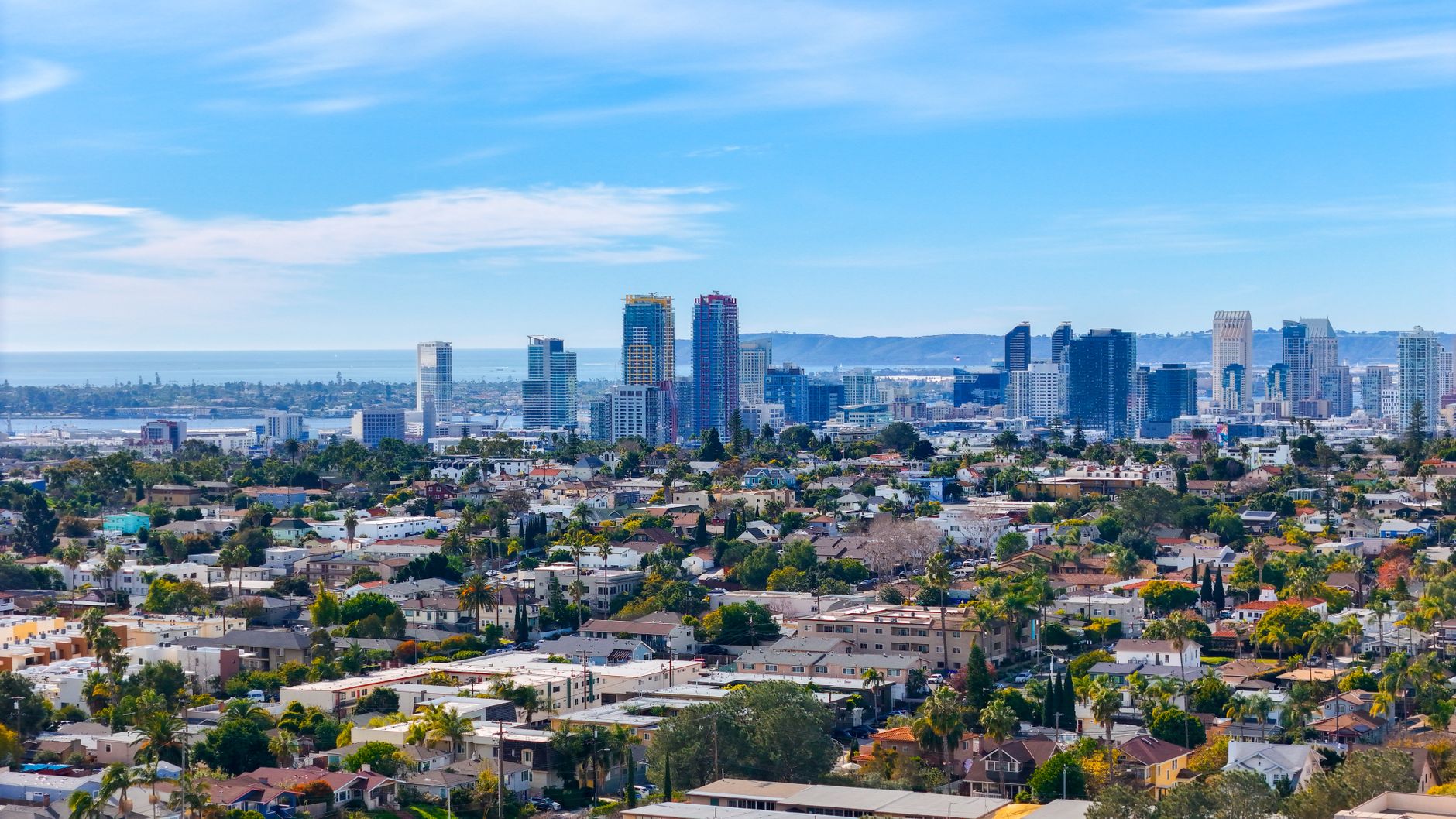
 Photo: Mylo Kaye / Pexels
 Photo: Humphrey Jones-Behan / Pexels
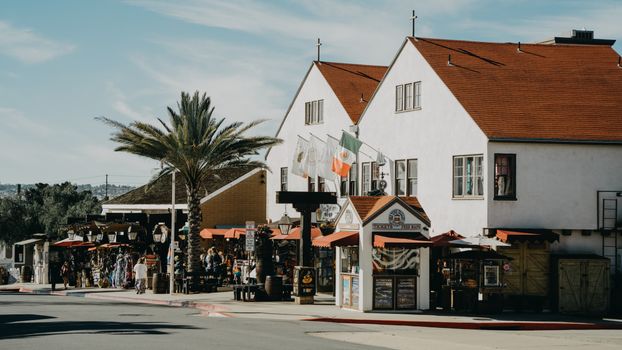 Photo: Qingju Wen / Pexels