
Understanding the Average Home Price California
Navigate the Golden State's dynamic housing market with our comprehensive guide to property values and trends.
Explore California HomesKey Takeaways
- ✓ California's average home price consistently ranks among the highest in the U.S.
- ✓ Median prices vary dramatically by region, with coastal areas being significantly more expensive.
- ✓ Interest rates, inventory levels, and economic growth are major drivers of price fluctuations.
- ✓ Understanding the difference between 'average' and 'median' is crucial for accurate analysis.
How It Works
California is vast; home prices in San Francisco differ wildly from those in the Central Valley. Pinpoint the specific areas you're interested in.
Utilize reliable sources like Zillow, Redfin, and the California Association of Realtors (CAR) for up-to-date median and average price data for your chosen locale.
A single-family home will have a different value than a condo or townhouse. Age, size, and condition of the property also heavily influence pricing.
Experienced agents possess invaluable hyperlocal knowledge and can provide comparative market analyses (CMAs) for specific properties, offering the most accurate insights.
Demystifying the Average Home Price California: What Do the Numbers Mean?
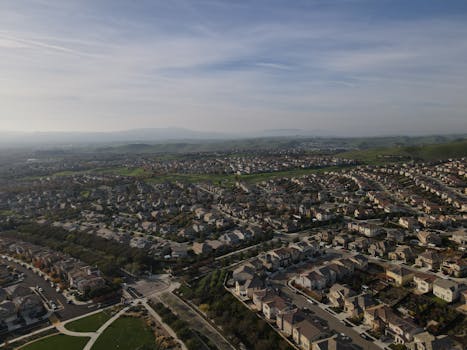 Photo: Deane Bayas / Pexels
California's housing market is a complex ecosystem influenced by a multitude of factors, ranging from its robust economy and desirable climate to its geographic constraints and population growth. The state's appeal as a global economic powerhouse, particularly in technology, entertainment, and agriculture, draws a constant influx of residents, creating sustained demand for housing. However, the supply side is often constrained by stringent zoning regulations, environmental protections, and the sheer lack of available buildable land, especially in coastal metropolitan areas. These supply-demand imbalances are fundamental drivers of California's elevated property values. Furthermore, interest rates play a significant role; lower rates typically boost affordability, allowing buyers to qualify for larger loans and increasing demand, which in turn can push prices up. Conversely, rising interest rates can cool the market by reducing purchasing power. Economic indicators like job growth, wage increases, and consumer confidence also directly impact the housing market, as they dictate people's ability and willingness to invest in real estate. For a deeper dive into the broader economic forces at play, explore this resource on understanding real estate market cycles. This intricate interplay of economic, geographic, and regulatory factors creates the unique and often challenging environment that defines the average home price in California.
Regional Breakdown: Where Your Dollar Goes Further (or Not)
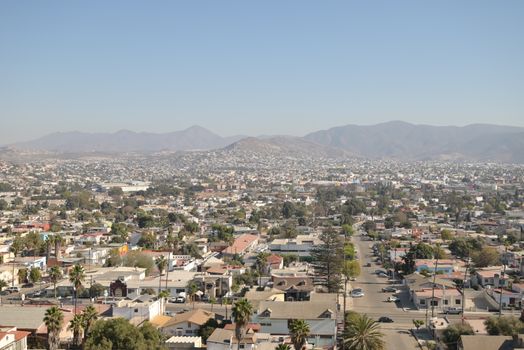 Photo: Joel Martinez / Pexels
The **Bay Area**, including cities like San Francisco, San Jose, and Oakland, consistently commands the highest median home prices in the state, often exceeding $1 million, and in some micro-markets, approaching or surpassing $2 million. This is due to its concentration of high-paying tech jobs, limited land availability, and high demand from a global workforce. Even within the Bay Area, there's significant variation; a home in Palo Alto will be priced vastly different from one in Vallejo.
Southern California's major metropolitan areas, such as **Los Angeles County** and **Orange County**, also feature premium pricing, with median home values frequently in the high six figures or low seven figures. While slightly more diverse in housing stock and geography than the Bay Area, these regions benefit from strong job markets, desirable climates, and cultural attractions, perpetuating high demand. Inland Empire (Riverside and San Bernardino counties) offers a relatively more affordable alternative, albeit with longer commutes to major job centers.
Moving to the **Central Valley**, cities like Sacramento, Fresno, and Bakersfield present a stark contrast. Here, median home prices are significantly lower, often in the mid-to-high $400,000s or $500,000s, making homeownership more accessible. This region benefits from agricultural industries and growing logistics sectors, offering a different quality of life and a much lower cost of living compared to coastal areas.
The **Central Coast**, encompassing areas like Santa Barbara and Monterey, blends desirable coastal living with more moderate pricing than the Bay Area, though still well above the state median. These markets are often characterized by scenic beauty and tourist appeal, contributing to their property values.
Finally, regions like the **Far North** (e.g., Redding, Eureka) and parts of the **High Desert** (e.g., Victorville, Palmdale) offer the most affordable housing options in California, with median prices often dipping into the $300,000s. These areas typically have smaller populations, different economic bases, and are further removed from major urban centers.
For anyone considering purchasing property in California, a granular understanding of these regional disparities is paramount. A statewide average home price can be misleading without this critical context. It's not just about the overall number, but where that number is concentrated and what factors are driving it in your specific area of interest. This regional breakdown illustrates that while California is expensive, affordability is relative and location-dependent, offering a spectrum of opportunities for different budgets and preferences.
Factors Influencing California Property Values and Future Outlook
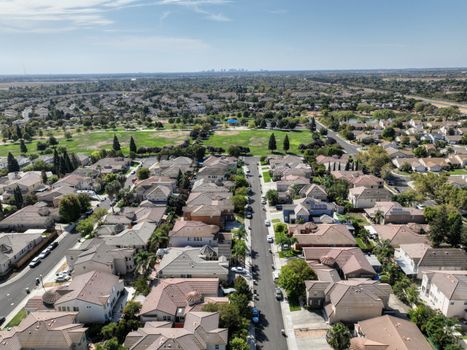 Photo: Stephen Leonardi / Pexels
Looking ahead, the future outlook for the average home price California remains complex. Experts predict continued volatility, with potential for both appreciation and stabilization, depending on global economic conditions, inflation, and interest rate policies. While the rapid price surges seen in recent years may moderate, a significant widespread downturn is less likely given the state's enduring appeal and structural supply deficits. Government policies, including efforts to streamline housing development and address affordability, will also influence future trends. However, these solutions often take time to materialize and impact the market. Buyers should prepare for competitive conditions, especially in popular areas, and consider long-term investment rather than short-term gains. Sellers, while still in a strong position, may need to be more strategic in their pricing as the market potentially recalibrates. Staying informed through resources like the California Association of Realtors market reports is essential for navigating these evolving conditions. The Golden State’s real estate market will likely continue to be a hot topic, reflecting its unique blend of opportunity and challenge.
Smart Strategies for Navigating California's Housing Market
 Photo: Robert So / Pexels
For Buyers:
- Get Pre-Approved for a Mortgage: This is non-negotiable. A pre-approval letter shows sellers you're a serious and qualified buyer, giving you a significant edge in competitive bidding situations.
- Be Flexible with Location: While you might dream of a specific neighborhood, expanding your search to adjacent, slightly less expensive areas can open up more opportunities and potentially save you hundreds of thousands of dollars.
- Consider Different Property Types: Don't limit yourself to single-family homes. Condos and townhouses often offer a more affordable entry point into desirable markets and come with fewer maintenance responsibilities.
- Be Ready to Act Quickly: Desirable properties in California can receive multiple offers within days. Have your finances in order and be prepared to make a strong, clean offer when you find the right home.
- Work with a Local Expert: A seasoned real estate agent who specializes in your target neighborhoods will have invaluable insights into micro-market trends, upcoming listings, and negotiation tactics.
For Sellers:
- Price Competitively, Not Aspirationally: While California prices are high, overpricing can lead to your home sitting on the market, eventually requiring price reductions. A well-priced home generates more interest and often leads to multiple offers.
- Invest in Curb Appeal and Staging: First impressions matter. A well-maintained exterior and professionally staged interior can significantly increase perceived value and attract more buyers.
- Highlight Unique Features: Does your home have energy-efficient upgrades, smart home technology, or a coveted view? Make sure these stand out in your listing.
- Be Flexible with Showings: The easier it is for potential buyers to view your home, the more offers you're likely to receive.
- Understand the Current Market: Your agent should provide a comprehensive Comparative Market Analysis (CMA) to help you understand recent sales in your area and position your home effectively.
By employing these strategies, both buyers and sellers can navigate California's dynamic real estate market more effectively and achieve their property goals.
Comparison
| Factor | Coastal Metro Areas | Inland Valleys | Far Northern CA |
|---|---|---|---|
| Median Home Price | $800,000 - $2M+ | $400,000 - $600,000 | $300,000 - $450,000 |
| Job Market | Strong (Tech, Finance, Entertainment) | Moderate (Agriculture, Logistics) | Developing (Tourism, Forestry) |
| Cost of Living | Very High | Moderate to High | Moderate |
| Housing Inventory | Very Low | Low to Moderate | Moderate |
| Commute Times | Long & Congested | Variable | Shorter |
| Investment Potential | High Long-Term Appreciation | Steady Growth | Emerging |
What Readers Say
"This article was incredibly helpful in understanding why the average home price in California is so high, especially in the Bay Area. The regional breakdown helped me adjust my expectations."
Sarah J. · Oakland, CA"As a first-time buyer, I felt overwhelmed by California's market. This guide clarified the 'median vs. average' distinction and gave me actionable steps to take."
Michael T. · Sacramento, CA"The insights on future outlook and factors influencing property values were spot on. It helped me confirm my long-term investment strategy in this challenging market."
David R. · San Diego, CA"Good overview, though I wish there was a bit more detail on specific grants or programs for first-time buyers trying to afford the average home price in California."
Emily C. · Fresno, CA"Even as an experienced seller, the tips on competitive pricing and staging were a great reminder. It definitely helped me prepare my property for a quick and profitable sale."
Robert L. · Los Angeles, CAFrequently Asked Questions
What is the current average home price in California?
While exact figures fluctuate monthly, the median home price in California typically hovers around $800,000 to $900,000, significantly higher than the national median. This figure is heavily influenced by the expensive coastal metropolitan areas.
Why are California home prices so high?
California's high home prices are primarily due to a combination of strong demand driven by a robust economy and population growth, coupled with a persistent shortage of housing supply. Strict land-use regulations and geographic constraints also limit new construction.
How can I find the average home price for a specific city in California?
You can find localized average or median home prices by using real estate websites like Zillow, Redfin, or Realtor.com, which provide detailed market data by zip code or city. The California Association of Realtors (CAR) also publishes extensive regional reports.
Is it a good time to buy a home in California?
The decision to buy depends on individual financial circumstances and market conditions. While prices are high, California real estate has historically shown strong long-term appreciation. It's crucial to assess your budget, interest rates, and local market trends with a real estate professional.
What's the difference between average and median home price?
The 'average' (mean) is the sum of all prices divided by the number of homes. The 'median' is the middle value in a sorted list of prices. The median is generally a more accurate representation of typical home prices in real estate because it's less affected by extremely high or low-priced outliers.
Who should be concerned about the average home price California?
Anyone considering buying, selling, or investing in real estate in California should understand the average home price. This includes first-time homebuyers, seasoned investors, relocating professionals, and real estate developers, as it impacts affordability, investment potential, and market strategy.
Are there any risks associated with buying a high-priced home in California?
The primary risks include potential for market corrections, especially if interest rates rise significantly or the economy slows. High property taxes and insurance costs can also add to the financial burden. However, California's market has shown resilience over time.
How might climate change affect future California home prices?
Climate change could impact future home prices, particularly in areas vulnerable to wildfires, sea-level rise, or extreme weather events. Insurance costs may increase, and demand in affected regions could shift, potentially influencing property values over the long term.
Armed with this comprehensive understanding of the average home price California, you're better equipped to make informed decisions. Whether buying, selling, or simply exploring, leverage this knowledge to navigate the Golden State's dynamic real estate market with confidence. Start your California real estate journey today!